
I’ve spent too many evenings watching dinner turn into a standoff between parent and child.
You’re probably here because you know what your kids should eat but getting them to actually eat it feels impossible. The stress is real.
Here’s what I’ve learned: winning the broccoli battle doesn’t matter if your child grows up hating vegetables. We need a different approach.
This nutrition guide fparentips isn’t about forcing healthy food down unwilling throats. It’s about changing how your family thinks about eating.
I’ve worked with parents who were exhausted from the daily food fights. The ones who felt like failures because their kids survived on chicken nuggets and crackers. What worked for them wasn’t stricter rules or sneakier recipes.
You’ll get a framework that actually fits into your busy life. One that builds habits your kids will carry into adulthood, not just compliance at the dinner table.
No lectures about organic this or superfood that. Just practical ways to reduce the stress and help your family eat better without the drama.
The Golden Rules of Family Nutrition: Ditch the Dogma
I’m going to be honest with you.
Perfect nutrition doesn’t exist.
You know what I hear all the time? Parents beating themselves up because their kid ate chicken nuggets three days in a row. Or because they served cereal for dinner when things got crazy.
Some nutrition experts will tell you that you need to follow strict meal plans. That every bite matters. That one slip-up derails everything.
But here’s what the research actually shows.
A study from the Journal of Nutrition Education and Behavior found that families who focused on adding nutritious foods (instead of restricting foods) had better long-term eating habits. Kids were more willing to try new things and parents felt less stressed about meals.
That’s what I want for you. Less stress and better results.
The Balanced Plate Method
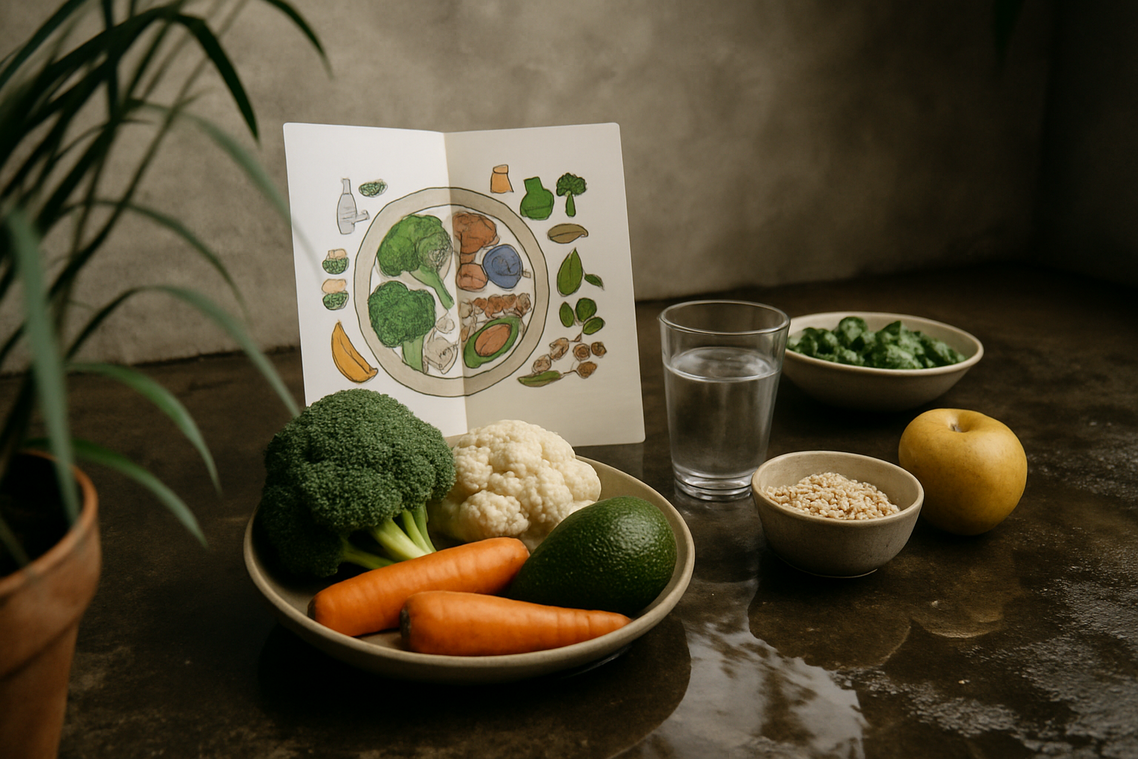
Think of your plate in thirds (or close to it). Half should be fruits and vegetables. A quarter goes to lean protein like chicken or beans. The last quarter is for whole grains.
This isn’t rocket science. It’s just a simple visual that works.
Nutrient-Dense vs. Empty Calories
Here’s the difference. A handful of almonds gives your kid protein, healthy fats, and keeps them full for hours. A handful of candy? Sugar spike, energy crash, and they’re hungry again in 30 minutes.
According to the CDC, kids who eat nutrient-dense snacks perform better in school and have more stable energy throughout the day.
Hydration Matters More Than You Think
Water isn’t optional. Your kid’s brain is about 75% water, and even mild dehydration affects focus and mood.
I know plain water can be boring. Try adding sliced strawberries or cucumber. My nutrition guide fparentips approach is simple: make it available and make it appealing.
Set a clear rule on sugary drinks. Maybe it’s one juice box on weekends. Maybe it’s special occasions only. Whatever works for your family, just be consistent about it.
The Picky Eater Playbook: How to Win Without a Fight
Let me tell you about the Division of Responsibility.
It’s simple. You decide what gets served, when meals happen, and where everyone eats. Your child decides whether to eat and how much goes in their mouth.
That’s it.
I know some parents think this sounds like giving up control. They worry their kid will starve or live on crackers forever. But here’s what actually happens when you stop fighting over every bite. By embracing the principles of Fparentips, parents can discover that relinquishing control over their child’s eating habits often leads to healthier relationships with food and a more balanced approach to mealtime.
Your child learns to trust their own hunger cues. You stop dreading mealtimes.
The Real Timeline for New Foods
Here’s something most parents don’t know. It takes 10 to 15 exposures before a kid might even try a new food.
Not like it. Just try it.
So when your four-year-old refuses broccoli for the eighth time? That’s normal. You’re not failing. They’re just not there yet.
The goal is familiarity. Put that broccoli on the table without comment. Let them see it, smell it, watch you eat it. No pressure.
Try family-style serving. Put the food in bowls on the table and let your kids serve themselves. When they control their own plate, they’re more likely to explore what’s available.
I always follow the one safe food rule. Every meal includes at least one thing I know my child will eat. Maybe it’s bread. Maybe it’s fruit. Doesn’t matter.
This takes the fear out of the equation. They know they won’t go hungry, so they can be brave about trying other things (or not).
Want to know what really works? Get them involved. Kids who help pick recipes, shop for ingredients, or stir the pot are curious about what they made. They have ownership.
You can find more strategies in our nutrition guide fparentips to help make mealtimes easier for everyone.
Look, some nights your kid will eat three bites of pasta and call it done. Other nights they’ll surprise you. Both are fine.
Your job isn’t to make them eat. It’s to keep showing up with good options.
Snack Smart: Fueling Your Kids Between Meals
Last Tuesday, my daughter asked for a snack at 4:30. Again.
I’d already said yes three times that afternoon. And when dinner rolled around at 6? She picked at her plate and declared she wasn’t hungry.
Sound familiar?
Here’s what I figured out. Snacks aren’t the problem. How we think about them is.
Snacks Are Mini-Meals, Not Treats
I used to grab whatever was quick. Crackers. Pretzels. Those little pouches of fruit snacks that seem healthy but really aren’t.
Then I started looking at snacks differently. They’re not rewards or something to keep kids quiet for ten minutes. They’re fuel between meals.
That shift changed everything. Active Learning Fparentips builds on the same ideas we are discussing here.
Some parents say kids should just wait for dinner if they’re hungry. That snacking ruins appetites and creates picky eaters. I get where they’re coming from.
But here’s the reality. Kids burn through energy faster than we do. Their stomachs are smaller. Going five or six hours between meals? That’s a recipe for meltdowns and blood sugar crashes. To keep your little gamers fueled and focused during long play sessions, consider implementing some Fparentips that emphasize regular snacks and hydration to prevent those inevitable meltdowns and energy crashes.
The trick is what you offer and when.
The Protein + Produce Formula
I follow a simple rule now. Every snack needs protein and something fresh.
Here’s what that looks like in my kitchen:
Apple slices with almond butter. Cheese cubes with cherry tomatoes. Greek yogurt with berries. Carrots with hummus. Hard-boiled eggs with cucumber slices. Whole grain crackers with turkey slices and bell pepper strips.
(I keep the nutrition guide fparentips bookmarked for days when I run out of ideas.)
This combo keeps them full longer. No sugar spike followed by a crash thirty minutes later.
Set a Snack Schedule
I picked two times. Mid-morning and after school. Playing Lessons Fparentips is where I take this idea even further.
That’s it.
My kids know when snacks happen. They stopped asking every twenty minutes because they know the answer. The constant grazing stopped. And suddenly, they actually showed up hungry for dinner.
The Help-Yourself Drawer
Bottom shelf of the fridge. That’s where the pre-approved snacks live.
Washed grapes in a container. String cheese. Cut veggies. Yogurt tubes.
My kids can grab what they want during snack time without asking. It gives them independence and saves me from being a short-order cook all afternoon.
Simple Meal Planning for Busy Parents
I know weeknight dinners can feel like a puzzle you’re solving on hard mode.
You’re tired. The kids are hungry. And you’re staring at the fridge like it might suddenly reveal a brilliant idea.
Here’s what works for me.
The Theme Night Strategy
Pick a theme for each night of the week. Meatless Monday. Taco Tuesday. Pasta Wednesday. You get the idea.
This takes the guesswork out of planning. When you know it’s taco night, you’re just deciding what kind of tacos. Not what to make from scratch.
Cook once, eat twice. Double your recipe when you’re making something everyone likes. Serve it for dinner tonight and pack the leftoores for lunch tomorrow. (Or freeze half for a night when you just can’t.)
I keep a running list of 10 to 15 meals my family actually eats without complaining. When I’m stuck, I pull from that list instead of scrolling through recipe sites for an hour.
You don’t need fancy meal plans. You need meals that work.
Spend 30 minutes on Sunday doing basic prep. Chop vegetables. Cook a batch of quinoa. Wash fruit. Whatever makes your weekday assembly faster.
Think of it like setting up dominoes. A little work upfront means everything falls into place when you need it.
For more ideas on making family routines smoother, check out my communivation tips fparentips guide. And if you want help building balanced plates your kids will actually eat, grab my nutrition guide fparentips. To enhance your family’s gaming experience and strengthen bonds, consider exploring my Connection Advice Fparentips, which offer valuable insights into creating a more harmonious home environment.
The goal isn’t perfection. It’s getting dinner on the table without losing your mind.
Your Journey to Happier, Healthier Mealtimes
I know how exhausting mealtime battles can be.
You’re not alone if dinner feels like a negotiation every single night. Most parents face this struggle at some point.
Here’s the truth: the problem isn’t just what’s on the plate. It’s the habits and atmosphere you’ve built around food (often without realizing it).
This guide gives you practical ways to shift from conflict to connection. You’ll learn how to create mealtimes that actually bring your family together.
I’ve seen these strategies work for countless families. Small changes add up fast.
You came here looking for solutions. Now you have them.
The key is balance and patience. When you focus on positive reinforcement instead of pressure, you’re building something that lasts. Your kids will carry this healthy relationship with food into adulthood.
Don’t try to change everything at once. Pick one strategy from this nutrition guide fparentips and start this week.
Maybe it’s family-style serving. Maybe it’s removing distractions from the table.
Whatever you choose, celebrate the small wins. Progress matters more than perfection.
Your family deserves mealtimes that feel good. Start small and watch what happens.
 Ask Selvian Velmyre how they got into family bonding ideas and you'll probably get a longer answer than you expected. The short version: Selvian started doing it, got genuinely hooked, and at some point realized they had accumulated enough hard-won knowledge that it would be a waste not to share it. So they started writing.
What makes Selvian worth reading is that they skips the obvious stuff. Nobody needs another surface-level take on Family Bonding Ideas, Support Resources for Parents, Parenting Tips and Advice. What readers actually want is the nuance — the part that only becomes clear after you've made a few mistakes and figured out why. That's the territory Selvian operates in. The writing is direct, occasionally blunt, and always built around what's actually true rather than what sounds good in an article. They has little patience for filler, which means they's pieces tend to be denser with real information than the average post on the same subject.
Selvian doesn't write to impress anyone. They writes because they has things to say that they genuinely thinks people should hear. That motivation — basic as it sounds — produces something noticeably different from content written for clicks or word count. Readers pick up on it. The comments on Selvian's work tend to reflect that.
Ask Selvian Velmyre how they got into family bonding ideas and you'll probably get a longer answer than you expected. The short version: Selvian started doing it, got genuinely hooked, and at some point realized they had accumulated enough hard-won knowledge that it would be a waste not to share it. So they started writing.
What makes Selvian worth reading is that they skips the obvious stuff. Nobody needs another surface-level take on Family Bonding Ideas, Support Resources for Parents, Parenting Tips and Advice. What readers actually want is the nuance — the part that only becomes clear after you've made a few mistakes and figured out why. That's the territory Selvian operates in. The writing is direct, occasionally blunt, and always built around what's actually true rather than what sounds good in an article. They has little patience for filler, which means they's pieces tend to be denser with real information than the average post on the same subject.
Selvian doesn't write to impress anyone. They writes because they has things to say that they genuinely thinks people should hear. That motivation — basic as it sounds — produces something noticeably different from content written for clicks or word count. Readers pick up on it. The comments on Selvian's work tend to reflect that.