
You’re tired of parenting advice that leaves you more confused than when you started.
Books say one thing. Your mom says another. Instagram moms swear by something else entirely.
And then there’s the celebrity stuff (glossy) magazine spreads, perfect kids, flawless routines. It’s exhausting. And fake.
I’ve read every interview, watched every talk, scrolled every thoughtful post from real famous parents who actually talk about the messy parts.
This isn’t gossip. It’s not clickbait. It’s Fpmomlife Advice Tips by Famousparenting (distilled) from people who’ve done the work and shared it honestly.
No perfection. No filters. Just connection, discipline, and resilience (the) stuff that actually sticks.
I’ve cut out the fluff and kept only what works in real life.
You’ll walk away with strategies you can use tonight.
Not someday. Tonight.
The Connection Principle: No Shame, Just Talk
I watched Kristen Bell and Dax Shepard talk about jealousy with their kids like it was weather. Not a crisis. Not something to fix.
Just a thing that shows up.
They name it. They sit with it. They don’t shut it down or shame it.
That’s the no-shame approach (and) it works because kids stop hiding feelings they think are “bad.”
So try this tonight: the Feelings Check-In at Dinner.
You know what happens when you say “don’t be mad” instead of “I see you’re mad (want) to tell me why?”
They learn silence is safer than honesty.
Ask: “What’s one feeling you had today. Good, weird, or hard?”
Then model it first. Say your own answer.
Even if it’s “I felt impatient waiting for coffee.”
No judgment. No advice. Just listening.
Brené Brown says the same thing in her research: kids don’t learn vulnerability from lectures. They learn it from watching you say, “I messed up,” or “I’m scared right now.”
It’s not about being perfect. It’s about being real. Especially when it’s uncomfortable.
That’s how trust builds. Not through control. Not through rules.
Through shared breath and unguarded words.
Connection isn’t the first step.
It’s the floor.
Everything else (discipline,) boundaries, teaching, even bedtime (falls) apart without it.
I’ve tried parenting without it.
It’s like trying to build furniture with no glue.
If you want real tools. Not just theory. Check out Fpmomlife for grounded, tested ideas.
Fpmomlife Advice Tips by Famousparenting? Yeah, those are the ones that actually stick.
No fluff. No jargon. Just what works.
When you stop pretending feelings need fixing.
Your kid doesn’t need a therapist at the table.
They need you, present and unafraid of their mess.
Screen Time Rules: What Works (and What’s Just Noise)
Jennifer Garner waits until her kids are at least 13 before letting them on social media.
She says it outright: brain development isn’t done by 12. The prefrontal cortex (the) part that handles impulse control and long-term thinking. Is still wiring itself.
(Yeah, that’s the bold part you’ll want to remember.)
I believe her. Not because she’s famous (but) because the science backs it up. Studies link early social media use with higher rates of anxiety and poor body image in tweens.
(Source: JAMA Pediatrics, 2023.)
Then there’s Barack Obama. He didn’t ban screens. But his family had tech-free zones.
No phones at dinner. No devices in bedrooms. And strict time limits after school.
I covered this topic over in Parenting Advice Fpmomlife.
That’s not weak. It’s thoughtful. It says: *We decide when tech serves us.
Not the other way around.*
So what do you do? You don’t copy either rulebook.
You ask yourself three things:
What do I actually want my kids to do with their time (not) just what I want them off?
When does screen time help us connect. And when does it push us apart?
How much mental space do I need to stay calm when someone asks for “just five more minutes”?
Those questions matter more than any celebrity headline.
Fpmomlife Advice Tips by Famousparenting nails this. They skip the guilt trips and go straight to values-based choices.
Your family isn’t theirs. Your kid’s temperament, your work schedule, your home setup (all) change the math.
I turned off notifications on every device in my house last year. Not forever. Just for two weeks.
My kids noticed. I noticed how much quieter my own head got.
Try that first. Before you set a rule, try removing one.
You’ll learn more from that than any influencer post.
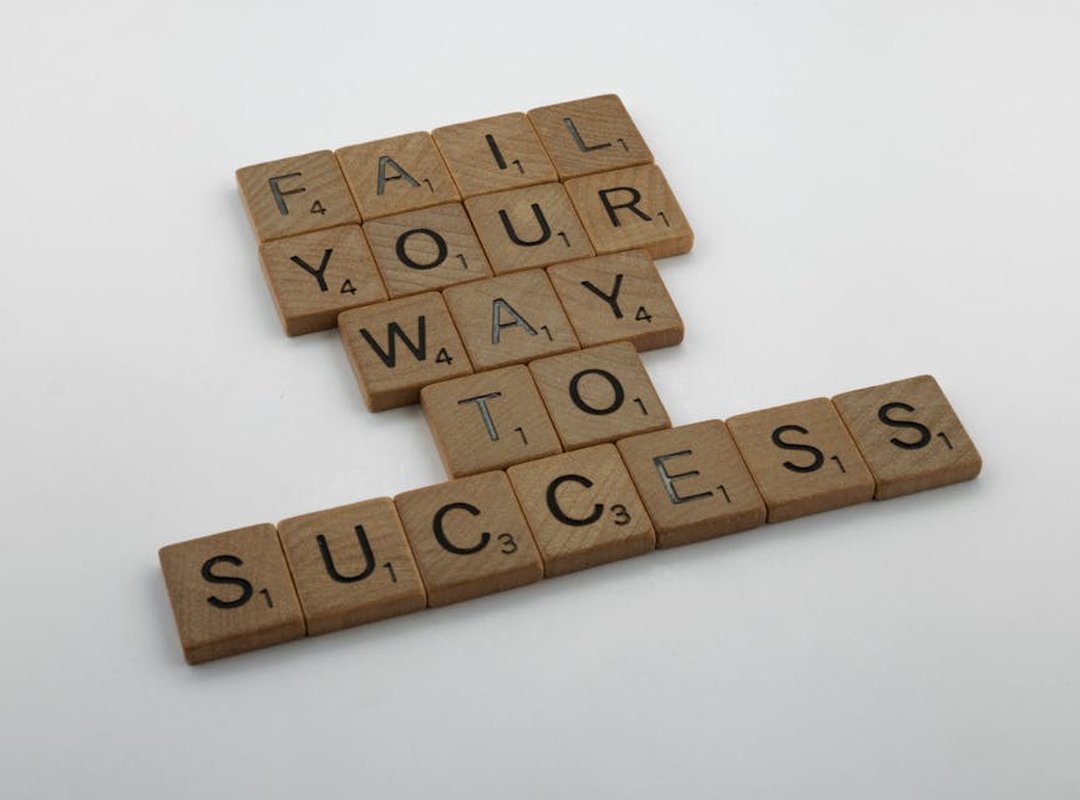
Letting Kids Fail Is Not Neglect. It’s Training
I used to panic when my kid forgot their lunchbox.
Now I hand them the empty bag and say, “What’s your plan?”
That’s scaffolding. Not solving. Not swooping in.
Just holding space while they figure it out. (Yes, they ate crackers from the cafeteria snack cart. Yes, they survived.)
Resilience isn’t built in comfort zones. It’s forged when something goes sideways. And they’re the one who has to fix it.
Serena Williams talks about this all the time. She didn’t shield her daughter from frustration during tennis drills. She let her miss shots, reset, try again.
Because grit isn’t taught. It’s practiced.
You know what builds real confidence? Responsibility that matches their age (not) yours. Not what you wish they could handle.
Not what you handled at their age. What they can do right now.
- Toddlers: put toys in the bin (not perfectly. Just in)
- Ages 6. 9: pack their school backpack (yes, even the permission slip)
No trophies. No praise for showing up. Just quiet acknowledgment when they follow through.
Natural consequences aren’t punishment. They’re feedback. A forgotten lunch teaches planning.
A missed deadline teaches time awareness. And if you bail them out every time? You’re not helping (you’re) delaying the lesson.
I’ve seen parents rewrite college essays. Call professors. Negotiate grades.
It feels like love. It reads like sabotage.
The long-term payoff? Kids who don’t freeze when things go wrong. Who ask “What’s next?” instead of “Who fixes this?”
Here’s what Maya Angelou said: “I’ve learned that you shouldn’t go through life with a catcher’s mitt on both hands (you) need to be able to throw something back.”
That’s why I lean hard into Fpmomlife Advice Tips by Famousparenting (especially) the stuff on letting go without checking out.
Parenting Advice Fpmomlife has real talk on stepping back without stepping away.
Stop rehearsing their adulthood for them. Let them live it. Messily.
The “Good Enough” Parent: Stop Faking It
I used to panic if my kid ate cereal for dinner. Or if I yelled and then sat on the couch scrolling while they played alone.
Drew Barrymore once said she cried in the shower after forgetting her daughter’s school play. Not because she missed it (she) forgot it existed. (We’ve all been there.)
Ryan Reynolds joked he Googled “how to hold a baby” after his first was born. Not before. Not during. After.
That’s not failure. That’s human.
Perfection isn’t the goal. Repair is. Saying “I’m sorry I snapped” matters more than never snapping.
You don’t need flawless routines. You need honesty. You need to model that mistakes aren’t disasters.
They’re openings.
Your kid doesn’t need a Pinterest mom. They need you. Tired, trying, real.
That guilt? It’s not proof you’re failing. It’s proof you’re paying attention.
Feeling like you’re messing up? Good. That means you care enough to notice.
The pressure to be perfect is exhausting. And pointless.
Real connection happens in the messy middle. Not the polished highlight reel.
If you want practical, no-bullshit support, check out Fpmomlife.
It’s where I go when I need grounded advice. Not inspiration porn.
Fpmomlife Advice Tips by Famousparenting? Skip the fame. Start with your own truth.
Your Parenting Playbook Starts Now
I’ve watched parents drown in advice. You just want to get it right. But there is no “right.” There’s only yours.
Fpmomlife Advice Tips by Famousparenting isn’t another rulebook. It’s a stack of real tools. Tested, human, unpolished.
Connection. Boundaries. Resilience.
That’s the core. Not perfection.
You don’t need to overhaul everything tonight. You don’t need to agree with all of it. You just need one thing that lands.
What stuck with you? The dinner question? The screen-time reset?
Try it. Just this week. Just once.
That’s how confidence grows. Not from knowing everything, but from doing something that feels true.
Your family doesn’t need flawless.
They need you, showing up with intention.
Go ahead. Pick one. Do it.
 There is a specific skill involved in explaining something clearly — one that is completely separate from actually knowing the subject. Fernando Shraderace has both. They has spent years working with child development insights in a hands-on capacity, and an equal amount of time figuring out how to translate that experience into writing that people with different backgrounds can actually absorb and use.
Fernando tends to approach complex subjects — Child Development Insights, Parenting Tips and Advice, Family Bonding Ideas being good examples — by starting with what the reader already knows, then building outward from there rather than dropping them in the deep end. It sounds like a small thing. In practice it makes a significant difference in whether someone finishes the article or abandons it halfway through. They is also good at knowing when to stop — a surprisingly underrated skill. Some writers bury useful information under so many caveats and qualifications that the point disappears. Fernando knows where the point is and gets there without too many detours.
The practical effect of all this is that people who read Fernando's work tend to come away actually capable of doing something with it. Not just vaguely informed — actually capable. For a writer working in child development insights, that is probably the best possible outcome, and it's the standard Fernando holds they's own work to.
There is a specific skill involved in explaining something clearly — one that is completely separate from actually knowing the subject. Fernando Shraderace has both. They has spent years working with child development insights in a hands-on capacity, and an equal amount of time figuring out how to translate that experience into writing that people with different backgrounds can actually absorb and use.
Fernando tends to approach complex subjects — Child Development Insights, Parenting Tips and Advice, Family Bonding Ideas being good examples — by starting with what the reader already knows, then building outward from there rather than dropping them in the deep end. It sounds like a small thing. In practice it makes a significant difference in whether someone finishes the article or abandons it halfway through. They is also good at knowing when to stop — a surprisingly underrated skill. Some writers bury useful information under so many caveats and qualifications that the point disappears. Fernando knows where the point is and gets there without too many detours.
The practical effect of all this is that people who read Fernando's work tend to come away actually capable of doing something with it. Not just vaguely informed — actually capable. For a writer working in child development insights, that is probably the best possible outcome, and it's the standard Fernando holds they's own work to.