
What Play Based Learning Actually Looks Like
Sit on the floor with a toddler building a tower out of blocks. Mix measuring cups and dry beans in a kitchen with a preschooler. Watch a six year old script her own puppet show using socks and a cardboard box. That’s play based learning hands on, imaginative, and driven by curiosity, not checklists.
Unlike formal teaching, which often follows a script of objectives and outcomes, play based learning flows. It doesn’t rely on worksheets or rigid lesson plans. Instead, children learn by doing. They experiment, solve real problems, make up stories, and figure things out while staying deeply engaged. They’re not absorbing information they’re constructing understanding through experience.
This approach works because young brains are wired for it. Neurologically, early childhood is a prime time for processing information through multi sensory exploration. Movement, language, emotion, and touch come together to build lasting neural connections. And the skills developed like creativity, collaboration, problem solving transfer far beyond preschool.
Put simply: when kids play with purpose, they learn to think. And that’s a skill worth building early.
Creating the Right Environment
Kids don’t need a tricked out playroom or Pinterest perfect setup. What they do need is space to explore safely and the freedom to follow their curiosity. Start with a clear corner clutter free and calm. It’s less about square footage and more about being distraction light and idea rich. Think: soft floor mat, a low shelf with open ended materials, and plenty of room to sprawl.
You don’t need fancy toys. In fact, bowls, measuring spoons, cardboard boxes, and cloth scraps often do more heavy lifting than battery powered gadgets. Everyday household stuff becomes the raw material for creativity when kids are given room to tinker. A colander can be a helmet, a UFO, or a lion’s den. You want things that invite kids to invent their own rules.
Balance is key too much structure shuts down creative flow, too little makes it drift. Set up loose routines: morning play after breakfast, outdoor time midday, quiet exploration after naps. The predictability is grounding, but the play itself stays fluid. Offer the environment and let the play emerge. Your job isn’t to lead it’s to build a launchpad.
Balancing Free Play and Guided Activities
Letting kids lead doesn’t mean checking out. It means trusting their curiosity enough to give it space while staying close enough to guide when it’s needed. That’s the fine line of play based learning at home.
Some days, kids may organize their own elaborate pretend restaurant. Other times, they’ll stare at a cardboard box and wait for a spark. That’s when a parent’s nudge a question, a prop, a role in the game can change everything without taking over. The trick is quiet support: suggest, invite, model, then back off again.
Knowing when to speak up and when to stay quiet just takes practice. Watch for engagement: if they’re lost in it, don’t interrupt. If momentum dips, offer a loose prompt “What if this block was a spaceship?” or “I wonder how we could fix that road.”
Here’s the goal: adults help deepen the learning without hijacking the play. That could mean co building a fort, playing a character in a made up world, or asking open ended questions that get kids thinking. Tone matters. Stay playful, not pushy.
Need more examples? Check out these structured play ideas that blend imagination with guidance.
Making Play Intentional Without Killing the Fun
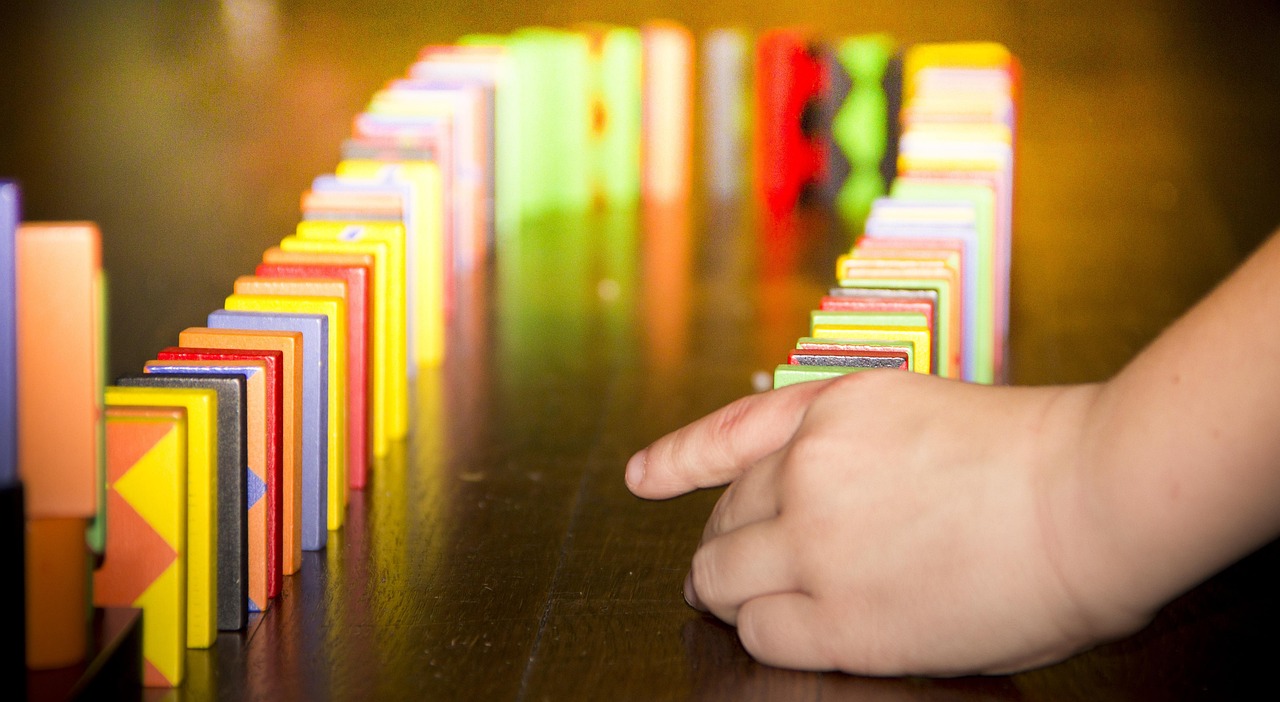
You don’t need flashcards or pop quizzes to teach math and science at home. Educational play works best when it’s woven into everyday curiosity. Sorting socks by color and size becomes a math moment. Acting out restaurant scenes mixes language and social skills. Building a pillow fort? Cue the engineering questions.
Storytelling and role play are especially powerful. When kids pretend to be scientists, shop owners, or wild animals, they experience new perspectives and sneak in tons of vocabulary. You can guide the depth without stealing the spotlight. Pose open ended questions like, “What happens if we try it another way?” or “What would your character do next?”
The goal isn’t to turn play into a school lesson. It’s to meet kids where they are, then stretch their thinking with subtle nudges. Keep it relaxed, stay curious yourself, and resist the urge to correct every mistake. Real learning lives in the mess of experimenting, failing, inventing, and trying again.
Adapting Across Ages and Developmental Stages
The way kids play changes fast and knowing how to flex with that matters. Toddlers are all about exploration. Give them something that makes noise, feels squishy, or rolls across the floor, and they’ll run with it. Their play is mostly sensory and physical: stacking blocks, mouthing toys, dumping and filling. It’s unfiltered trial and error, and it lays the groundwork for motor skills and basic cause and effect thinking.
Older kids pre K and up shift toward imagination, rules, and social play. They might turn the same set of blocks into a cityscape or a spaceship. Playtime becomes more layered, more negotiable. You’ll start seeing more collaboration, storytelling, and planning. This middle phase is where emotional intelligence, problem solving, and self regulation get a workout.
So how do you keep up without buying new gear every six months? Reuse toys they’re more flexible than you think. A toddler’s shape sorter can become a color coded token bank for an older child playing pretend store. That puppet stage for silly voices can evolve into a full blown theater production. The trick isn’t reinvention. It’s paying attention to how your kid’s brain and interests shift, and reshaping play around that.
Good play grows with the child. You don’t need more stuff. You just need fresh ways to look at it.
Easy Wins for Busy Parents
You don’t need hours or a Pinterest worthy playroom to make play based learning work. Just a focused 10 15 minutes can go a long way. A quick matching game while folding socks, counting spoons during kitchen cleanup, or a scavenger hunt to find objects by shape or color these are low lift, high reward moments. The point isn’t to “teach” as much as it is to be present and let kids connect dots through doing.
Turn routine tasks into curiosity labs. Stirring pancake mix? Talk about measurements. Unloading groceries? Categorize by texture or temperature. These tiny touchpoints build vocabulary, reasoning, and confidence without forcing anything. It’s just life, slightly more intentional.
Need a few go to ideas to keep in your back pocket? You’ll find solid, stress free options in these structured play ideas.
Signs It’s Working
You’ll know play based learning is clicking when your child starts showing subtle but powerful shifts. It’s in the language they use sentences stretch longer, questions get deeper, and the pretend play becomes richer. You hear them narrating what they’re doing, making up rules, applying new words they’re not just playing, they’re processing.
The behavior cues matter too. Longer focus time. Curiosity that leads to experiments. Going back to the same idea with a new angle. Maybe yesterday it was building a tower; today it’s a whole city with a story behind it. That kind of evolution shows learning is happening beneath the surface.
And while worksheets have their place, it’s often during a messy, giggly, open ended game that abstract concepts finally click. A toddler figuring out volume by pouring water between cups is doing science. A six year old assigning roles in a pretend bakery is building social skills and logic. Play does what worksheets can’t: it meets the child where they are and adapts with them.
The best sign it’s working? They want to come back to it. Not because you told them to, but because their brain is hungry for more.
 Ask Selvian Velmyre how they got into family bonding ideas and you'll probably get a longer answer than you expected. The short version: Selvian started doing it, got genuinely hooked, and at some point realized they had accumulated enough hard-won knowledge that it would be a waste not to share it. So they started writing.
What makes Selvian worth reading is that they skips the obvious stuff. Nobody needs another surface-level take on Family Bonding Ideas, Support Resources for Parents, Parenting Tips and Advice. What readers actually want is the nuance — the part that only becomes clear after you've made a few mistakes and figured out why. That's the territory Selvian operates in. The writing is direct, occasionally blunt, and always built around what's actually true rather than what sounds good in an article. They has little patience for filler, which means they's pieces tend to be denser with real information than the average post on the same subject.
Selvian doesn't write to impress anyone. They writes because they has things to say that they genuinely thinks people should hear. That motivation — basic as it sounds — produces something noticeably different from content written for clicks or word count. Readers pick up on it. The comments on Selvian's work tend to reflect that.
Ask Selvian Velmyre how they got into family bonding ideas and you'll probably get a longer answer than you expected. The short version: Selvian started doing it, got genuinely hooked, and at some point realized they had accumulated enough hard-won knowledge that it would be a waste not to share it. So they started writing.
What makes Selvian worth reading is that they skips the obvious stuff. Nobody needs another surface-level take on Family Bonding Ideas, Support Resources for Parents, Parenting Tips and Advice. What readers actually want is the nuance — the part that only becomes clear after you've made a few mistakes and figured out why. That's the territory Selvian operates in. The writing is direct, occasionally blunt, and always built around what's actually true rather than what sounds good in an article. They has little patience for filler, which means they's pieces tend to be denser with real information than the average post on the same subject.
Selvian doesn't write to impress anyone. They writes because they has things to say that they genuinely thinks people should hear. That motivation — basic as it sounds — produces something noticeably different from content written for clicks or word count. Readers pick up on it. The comments on Selvian's work tend to reflect that.