
You’re standing on the sideline watching your kid sprint, jump, or just try to keep up (and) you want to help.
But you also wonder: Is it safe? Will it hurt their growth? Are we pushing too hard (or) not enough?
I’ve seen parents panic over protein shakes for 10-year-olds. Or sign kids up for adult-style lifting programs because “it worked for me.”
It doesn’t.
Kids aren’t small adults. Their bones, tendons, and nervous systems develop on their own timeline.
This isn’t theory. It’s based on how children actually move, grow, and learn (not) what looks impressive on Instagram.
Training Advice Llblogkids gives you real guidance rooted in child physiology.
No hype. No guesswork.
Just clear steps that build confidence, coordination, and joy in movement.
You’ll walk away knowing exactly what to do. And what to skip.
Beyond the Playground: Why Foundational Training Matters
I used to think pickup soccer was enough.
It’s not.
Play is key. But it’s not training. Play teaches kids how to react.
Foundational training teaches them how to move.
That’s the physical vocabulary. Coordination, balance, strength, landing mechanics. You don’t pick that up chasing a ball.
You build it deliberately.
You wouldn’t build a house without a strong foundation. The same goes for a young athlete’s body. Skip it, and you’re stacking skill on shaky ground.
Kids do not get enough exercise just by playing. They run. They jump.
They fall. But they rarely practice how to land softly, hinge at the hips, or hold a plank for 20 seconds.
Here’s what age-appropriate foundational training actually does:
It sharpens motor skills (like) catching, skipping, balancing on one foot. It boosts bone density. Key before puberty hits.
It lifts self-esteem (not) from winning, but from mastering a new squat or jump. And it plants the seed for lifelong habits. Not “exercise,” just moving well.
I’ve watched kids go from tripping over their own feet to nailing a cartwheel in eight weeks. No magic. Just consistent, smart movement.
Llblogkids has real-world drills. Not theory. That’s where Training Advice Llblogkids comes in.
Not fluff. Not trends. Just what works.
Start there. Not later. Now.
The Age-by-Age Playbook: What to Do and When
I’ve watched kids try to squat like adults. It’s not pretty.
Ages 5 (8?) This isn’t training. It’s play. Full stop.
Obstacle courses teach spatial awareness. Skipping wires up coordination. Throwing and catching?
Animal walks. Bear crawls, crab walks. Build shoulder stability and hip control without anyone noticing.
That’s hand-eye wiring in real time.
Don’t call it exercise. Call it fun that sticks.
You’re not building muscle here. You’re building body awareness.
Ages 9. 12? Now we add structure. But keep it light.
Teach a squat like you’re sitting into a chair. Not dropping like a sack. Knees track over toes.
Chest up. Feet flat.
Push-ups start on the knees. Not because they’re “easier.” Because they let kids feel the right muscles fire before ego kicks in.
Planks? Hold for time, not perfection. Shake?
Good. That means it’s working.
Light resistance bands are fine (if) they’re used to feel, not load.
Form is non-negotiable. Reps don’t matter if the spine’s rounded or the knees cave.
I’ve seen coaches rush this stage. Bad idea.
Ages 13+? Puberty changes everything. Hormones shift.
Bones lengthen. Ligaments loosen.
Supervised weight training can start now. But only if the kid asks for it, and nails every bodyweight move first.
Start with dumbbells or kettlebells. Not barbells. Not power racks.
Just controlled lifts, full range, zero ego.
Mobility work isn’t optional. Rest isn’t lazy. It’s when growth happens.
I go into much more detail on this in Kiddy Games Llblogkids.
This isn’t about making kids strong now. It’s about keeping them moving for life.
Training Advice Llblogkids isn’t about pushing harder. It’s about timing each step so nothing breaks (and) everything builds.
Skip a stage? You’ll pay for it later. Usually in sore knees or tight shoulders.
Want proof? Look at any adult who quit sports at 14. Then ask why.
Most never learned how to move well. They just learned how to survive PE class.
That ends here.
Kids’ Training Safety: Four Rules I Won’t Bend
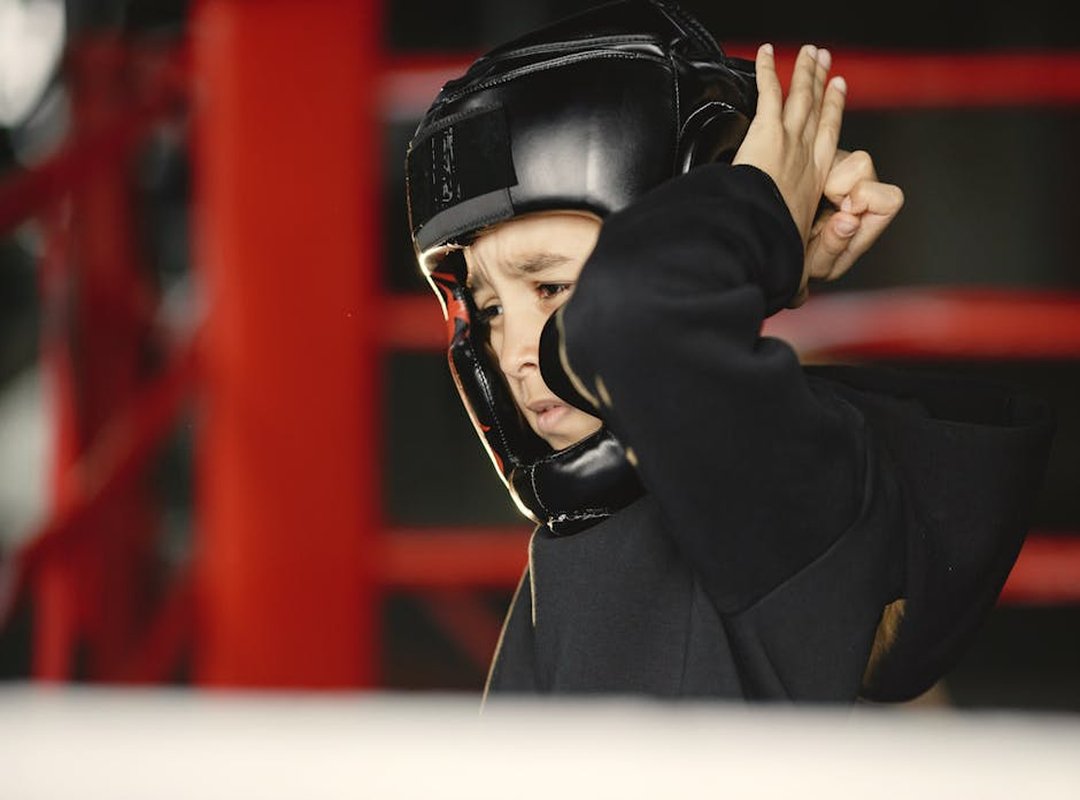
I’ve watched too many kids get hurt doing things adults told them were “fine.”
Supervision is non-negotiable. Not just any adult (someone) who knows how a squat should look, not just someone who’s breathing nearby. (Yes, even if your kid says they’re “fine.”)
Technique first. Always. Add weight to bad form?
That’s how you get shoulder impingement at age 12. Speed before control? That’s how you get ankle rolls and frustration.
Make it fun. Not “fun” like forced cheerleading. Real fun.
Like turning lunges into animal walks or using timers for silly challenges. If your kid dreads training, stop. Change the game.
Or change the coach.
Rest isn’t optional. Sleep rebuilds muscle. Nutrition fuels growth.
Pushing through fatigue doesn’t build toughness (it) builds stress fractures. More reps ≠ better results. Especially for kids whose bones are still fusing.
Kiddy Games Llblogkids helps with that last part. It’s not flash games. It’s movement-based play built around coordination, rhythm, and joy (no) pressure, no scoreboards.
I’ve seen kids go from stiff and hesitant to loose and eager in two weeks. Just by swapping drills for play.
Training Advice Llblogkids means showing up ready to listen more than lecture.
Growth isn’t linear. Neither is safety.
You don’t need perfect form on day one.
You do need consistency, clarity, and zero tolerance for shortcuts.
That’s how you keep them coming back (and) keep them whole.
Warning Signs: Stop. Breathe. Ask.
I’ve seen it too many times. A kid limps off the field, says “it’s fine,” and you nod. But your stomach drops.
Sharp pain isn’t soreness. Persistent joint pain? That’s not part of growing.
A sudden drop in energy or enthusiasm? Not just a bad day.
Excessive coach pressure is real. I watched a 12-year-old cry after practice because her coach made her run laps for missing one drill. That’s not discipline.
That’s a red flag.
You know your kid better than anyone. Trust your gut. Seriously.
If something feels off, pause training. Call a pediatrician. Or get a physical therapist who works with youth athletes.
Not just adults.
This isn’t overreacting. It’s protecting their body now, so they can play later.
The Educational guide llblogkids has clear examples of what healthy vs. harmful training looks like (check) it before your next season starts. That’s where you’ll find solid Training Advice Llblogkids.
Start Building Your Child’s Healthy Future Today
I know that uncertainty. That feeling when you want to help your child move well. But don’t know where to start.
Or worse. You try something and it backfires.
You don’t need fancy gear. You don’t need a gym. You need Training Advice Llblogkids (real) talk, no fluff, built for real kids and real parents.
Fun first. Technique before intensity. Their body’s signals over your agenda.
That’s how you avoid injury. That’s how they actually stick with it.
This week. Pick one thing from the playbook. Build an obstacle course in the backyard.
Do three rounds of bodyweight squats together. Fifteen minutes. That’s it.
You’re not building an athlete today. You’re building confidence. Strength.
A habit.
Your child’s healthy future starts with what you do this week.
Go do it.
 There is a specific skill involved in explaining something clearly — one that is completely separate from actually knowing the subject. Fernando Shraderace has both. They has spent years working with child development insights in a hands-on capacity, and an equal amount of time figuring out how to translate that experience into writing that people with different backgrounds can actually absorb and use.
Fernando tends to approach complex subjects — Child Development Insights, Parenting Tips and Advice, Family Bonding Ideas being good examples — by starting with what the reader already knows, then building outward from there rather than dropping them in the deep end. It sounds like a small thing. In practice it makes a significant difference in whether someone finishes the article or abandons it halfway through. They is also good at knowing when to stop — a surprisingly underrated skill. Some writers bury useful information under so many caveats and qualifications that the point disappears. Fernando knows where the point is and gets there without too many detours.
The practical effect of all this is that people who read Fernando's work tend to come away actually capable of doing something with it. Not just vaguely informed — actually capable. For a writer working in child development insights, that is probably the best possible outcome, and it's the standard Fernando holds they's own work to.
There is a specific skill involved in explaining something clearly — one that is completely separate from actually knowing the subject. Fernando Shraderace has both. They has spent years working with child development insights in a hands-on capacity, and an equal amount of time figuring out how to translate that experience into writing that people with different backgrounds can actually absorb and use.
Fernando tends to approach complex subjects — Child Development Insights, Parenting Tips and Advice, Family Bonding Ideas being good examples — by starting with what the reader already knows, then building outward from there rather than dropping them in the deep end. It sounds like a small thing. In practice it makes a significant difference in whether someone finishes the article or abandons it halfway through. They is also good at knowing when to stop — a surprisingly underrated skill. Some writers bury useful information under so many caveats and qualifications that the point disappears. Fernando knows where the point is and gets there without too many detours.
The practical effect of all this is that people who read Fernando's work tend to come away actually capable of doing something with it. Not just vaguely informed — actually capable. For a writer working in child development insights, that is probably the best possible outcome, and it's the standard Fernando holds they's own work to.