
I know what it feels like when everyone’s in the same room but nobody’s really together.
You look up from your phone and realize your kids have been talking to you for the past minute. Or maybe dinner happens in silence because everyone’s too tired or distracted to actually talk.
We’re not connecting anymore. We’re just existing in the same space.
Here’s the thing: building real family bonds doesn’t require perfect moments or huge gestures. It just requires showing up differently than we have been.
I’ve spent years studying child development and family psychology. Not the theoretical stuff that sounds good in textbooks. The practical approaches that actually work when you’re exhausted on a Tuesday night.
This guide gives you real strategies to strengthen your family connections. Things you can start doing today, whether you have toddlers or teenagers.
You’ll learn how to create moments that matter. How to talk so your kids actually listen. How to build traditions that stick.
No complicated systems. No guilt about what you haven’t been doing.
Just simple changes that help you move from coexisting to connecting.
Because at connection advice fparentips, we believe the strongest families aren’t the ones who never struggle. They’re the ones who keep showing up for each other.
The Art of Communication: Learning to Truly Listen
You ask your kid how their day was.
They say “fine” and walk away.
Sound familiar?
I used to think I was a good listener. I’d ask questions and nod along. But my kids would still clam up or give me one-word answers.
Then I realized something. I wasn’t really listening. I was just waiting for my turn to talk or fix whatever problem they mentioned.
Real communication? That’s different.
Beyond the Surface Questions
Here’s what I mean. When you ask “Did you learn anything today?” you’re setting up a yes or no answer. Your kid can shut that down in two seconds.
But try this instead. “What was the most interesting thing you learned today?”
See the difference? One invites a story. The other invites silence.
I started using open-ended questions with my own kids and the change was pretty quick. Instead of grunts, I got actual conversations about their friends, their teachers, what they’re worried about.
Now some parents say kids just don’t want to talk these days. They blame phones or attitudes or teenage hormones. And sure, those things play a role.
But I think we’re missing something bigger.
Kids will talk when they feel heard. Not fixed. Not judged. Just heard.
That’s where active listening comes in. Put your phone down (I know, easier said than done). Make eye contact. When they tell you something that bothers them, resist the urge to immediately solve it.
Just listen. Validate what they’re feeling.
“That sounds really frustrating” goes a lot further than “Well, have you tried this?”
The connection advice fparentips focuses on is simple. Meet your kids where they are.
For toddlers, that means getting down on their level physically. Crouch or sit so you’re eye to eye. They need to see you’re present.
For teenagers? Give them space but keep the door open. Don’t interrogate them the second they get home. Let them decompress first.
One thing that’s worked in our house is family meetings. Nothing fancy. We sit down once a week, talk about schedules, let everyone air what’s bugging them, and plan something fun together.
Everyone gets a voice. Even the youngest.
It’s not perfect. Some weeks someone’s grumpy or distracted. But it creates a rhythm where talking becomes normal instead of forced.
Creating Shared Experiences: The Power of Quality Time
Last Tuesday, I sat across from my daughter at dinner.
She was telling me about something that happened at school. I was nodding along, but honestly? I was thinking about an email I needed to send.
She stopped mid-sentence and asked, “Mom, are you even listening?”
That stung. Because she was right.
I was physically there. But I wasn’t really present.
Here’s what I’ve learned the hard way. Twenty minutes of actual focused time beats two hours of half-attention every single time. Your kids know the difference. They can feel when you’re checked out (even if your phone is in the other room). When it comes to engaging with your kids during gaming sessions, the best Fparentips I can offer is to prioritize genuine, undistracted time together, as they can sense when your attention is divided.
Now, some parents will tell you that just being in the same house counts. That proximity equals connection. They say kids don’t need your undivided attention as long as you’re available.
I used to think that too.
But watch what happens when you put your phone down and actually engage. The conversation changes. The eye contact increases. Your kid relaxes in a way they don’t when you’re distracted.
Small Rituals Make Big Differences
You don’t need grand gestures.
I started with Taco Tuesdays. Nothing fancy. Just a consistent night where we all sit down together and build our own tacos. My son looks forward to it now. On Monday nights, he’ll remind me we need to get supplies.
That predictability matters more than I expected.
We also do a Sunday morning walk around the neighborhood. Sometimes we talk about big stuff. Sometimes we just point out dogs we see. It doesn’t matter. What matters is the rhythm.
Board game nights work for some families. Others do Friday pizza and movie nights. The specific activity isn’t the point. The consistency is. I tackle the specifics of this in Playing Lessons Fparentips.
One Person at a Time
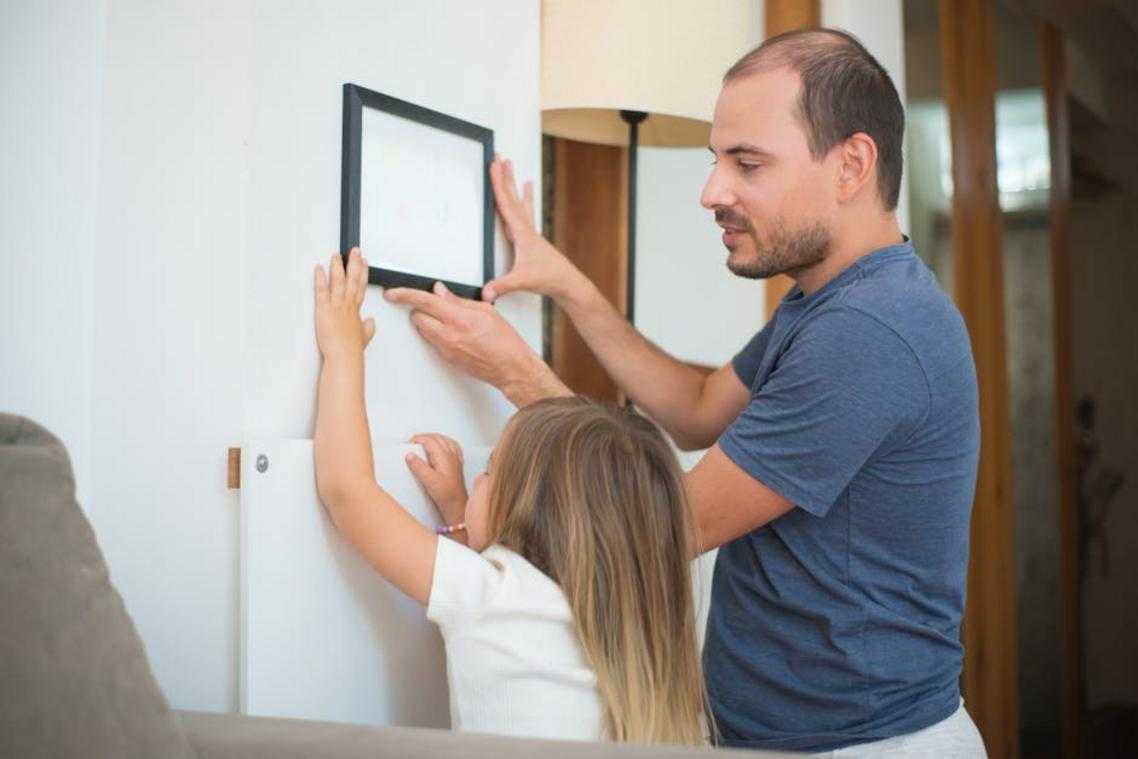
Group family time is great.
But individual time? That’s where the real connection advice fparentips comes in.
I take each kid out separately once a month. Sometimes it’s just getting ice cream. Sometimes it’s running errands together. My daughter loves going to the bookstore with just me. My son prefers when we grab breakfast before school.
Those one-on-one moments let them open up differently. They don’t have to compete for attention or worry about a sibling listening in.
Same goes for your partner, by the way. Date nights aren’t just some cliché relationship tip. They actually work.
The Phone-Free Dinner Table
I made one rule that changed everything.
No devices at the dinner table. Period.
My kids complained at first (okay, I’ll be honest, I struggled with it too). But after a few weeks, something shifted. We started actually talking. Not just “how was school” surface stuff. Real conversations.
Some families do tech-free Sundays. Others have a basket by the front door where everyone drops their phones after 7 PM.
Find what works for your house. Just make sure there’s some protected time where screens aren’t pulling everyone in different directions.
Because here’s the truth. Your kids won’t remember every single hour you spent in the same room. But they’ll remember the times you were fully there. The moments when they had all of you, not just the leftover attention between notifications.
Those are the experiences that stick.
And honestly? You need them just as much as your kids do. I know I do. That nutrition guide fparentips we put together covers feeding their bodies, but this? This feeds something deeper.
Start small. Pick one ritual. Protect one meal. Schedule one date.
You’ll be surprised how quickly those small pockets of quality time add up to something that actually matters.
Navigating Conflict: Turning Disagreements into Growth
Your kids are fighting again.
One took the other’s toy. Someone said something mean. And now they’re both screaming at each other in the living room.
You want to step in and just fix it. Make it stop. Send them to their rooms until they calm down.
But what if I told you this moment is actually teaching them something?
Some parents say conflict is bad. That a peaceful home means no arguments. They believe kids should always get along and that fighting means you’re doing something wrong as a parent.
I hear this all the time. “My kids argue constantly. What am I doing wrong?”
Here’s what they’re missing.
Conflict isn’t the problem. It’s how we handle it that matters.
Think about it. Your kids will face disagreements their whole lives. At school. At work. In their own relationships someday. If they never learn how to work through conflict at home, where will they learn it? In addition to fostering conflict resolution skills at home, parents can enhance their children’s overall development by exploring resources like the Nutrition Guide Fparentips, which emphasizes the importance of balanced nutrition in supporting both physical and emotional growth.
I remember talking to my daughter after she and her brother had a huge blowup over the TV remote. I asked her, “What happened?”
She said, “He just grabbed it without asking.”
When I asked him, he told me, “She wasn’t even watching anything good.”
Both felt justified. Both felt wronged.
That’s when I realized something. They didn’t need me to be the judge. They needed me to show them how to talk it out.
So we sat down together and I laid out some simple rules. No name calling. No yelling over each other. And instead of saying “You always” or “You never,” try saying “I feel.”
My son went first. “I feel annoyed when you hog the remote all afternoon.”
My daughter responded, “I feel mad when you just take things without asking.”
(It wasn’t perfect, but it was a start.)
The real magic happened when I asked them, “We both want different things right now. How can we find a compromise that works for everyone?”
They came up with a timer system. Thirty minutes each. Problem solved.
But more than that, they learned something. Disagreements don’t have to end in tears or someone getting sent to timeout. They can end in solutions.
The repair part matters too. After conflicts cool down, someone needs to say sorry. Not a forced “say you’re sorry” kind of apology. A real one.
I’ve watched my kids struggle with this. Pride gets in the way. But when one of them finally says, “I’m sorry I yelled at you,” and means it? The other one softens immediately.
Connection advice fparentips always comes back to this. Building relationships means working through the hard stuff together.
You can also turn problem solving into something fun. Try learning with games fparentips to practice cooperation when emotions aren’t running high. This is something I break down further in Communication Tips Fparentips.
Look, your home won’t always be peaceful. Mine isn’t either.
But when your kids know how to disagree respectfully, apologize genuinely, and work together to find solutions? That’s when conflict stops being something to avoid and starts being something that actually brings you closer.
Fostering Support and Appreciation
Look, I’m going to be honest with you.
Most parents wait for the big moments to show appreciation. The straight A report card. The winning goal. The perfect behavior.
But that’s not where the real connection happens.
I’ve learned that kids need to feel seen in the ordinary moments. When they remember to put their dish in the sink without being told. When they share a toy even though they don’t want to.
Those are the moments that matter.
Celebrate the Small Wins
Notice effort, not just results. Your kid tried to make their bed and it looks like a disaster? Tell them you saw them trying. That matters more than you think.
When a sibling shows kindness or a chore gets done without reminding, say something. It takes five seconds and it changes everything.
Be Their Safe Harbor
Here’s what I believe. Your reaction to their failures shapes whether they’ll trust you with the hard stuff later.
If they come to you with a bad grade or a friendship problem, don’t lecture. Listen first. Create space where they can share their fears without worrying about your judgment.
That’s how you build real trust.
Show, Don’t Just Say
Words are easy. Actions stick.
Leave a note in their lunchbox. Show up to their school event even when you’re exhausted. Offer a hug after a rough day without making them explain everything. Incorporating small gestures of love and support, like leaving a note in their lunchbox or attending their school events, can enhance the educational experience, which is why many parents are turning to “Learning with Games Fparentips” for creative ways to engage their children through play.
For more practical ways to connect with your kids, check out [fparentips](connection advice fparentips) for ideas that actually work in real life.
Your presence matters more than perfect parenting.
Small Steps to a Stronger Family
You now have a toolkit of practical strategies for improving communication, creating quality time, handling conflict, and showing support.
I know the real challenge here. It’s overcoming the inertia of busy, disconnected lives.
But here’s what I’ve learned: the solution is consistent, intentional effort. These small daily actions compound over time to build the unbreakable bonds you desire.
You don’t need to overhaul your entire family dynamic overnight.
Choose just one tip from this list. Maybe it’s a 15-minute device-free chat at dinner. Or asking your kid about the best part of their day before bed.
Start tonight.
The journey to a closer family begins with a single step. And that step is easier than you think.
For more connection advice fparentips and strategies that actually work in real family life, keep coming back. We’re here to support you through every stage of parenting.
Your family is worth the effort. And you’re already on your way.
 Ask Selvian Velmyre how they got into family bonding ideas and you'll probably get a longer answer than you expected. The short version: Selvian started doing it, got genuinely hooked, and at some point realized they had accumulated enough hard-won knowledge that it would be a waste not to share it. So they started writing.
What makes Selvian worth reading is that they skips the obvious stuff. Nobody needs another surface-level take on Family Bonding Ideas, Support Resources for Parents, Parenting Tips and Advice. What readers actually want is the nuance — the part that only becomes clear after you've made a few mistakes and figured out why. That's the territory Selvian operates in. The writing is direct, occasionally blunt, and always built around what's actually true rather than what sounds good in an article. They has little patience for filler, which means they's pieces tend to be denser with real information than the average post on the same subject.
Selvian doesn't write to impress anyone. They writes because they has things to say that they genuinely thinks people should hear. That motivation — basic as it sounds — produces something noticeably different from content written for clicks or word count. Readers pick up on it. The comments on Selvian's work tend to reflect that.
Ask Selvian Velmyre how they got into family bonding ideas and you'll probably get a longer answer than you expected. The short version: Selvian started doing it, got genuinely hooked, and at some point realized they had accumulated enough hard-won knowledge that it would be a waste not to share it. So they started writing.
What makes Selvian worth reading is that they skips the obvious stuff. Nobody needs another surface-level take on Family Bonding Ideas, Support Resources for Parents, Parenting Tips and Advice. What readers actually want is the nuance — the part that only becomes clear after you've made a few mistakes and figured out why. That's the territory Selvian operates in. The writing is direct, occasionally blunt, and always built around what's actually true rather than what sounds good in an article. They has little patience for filler, which means they's pieces tend to be denser with real information than the average post on the same subject.
Selvian doesn't write to impress anyone. They writes because they has things to say that they genuinely thinks people should hear. That motivation — basic as it sounds — produces something noticeably different from content written for clicks or word count. Readers pick up on it. The comments on Selvian's work tend to reflect that.