
I’ve seen too many kids quit activities they once loved because the pressure got too heavy.
You’re probably here because you want to support your child during their playing lessons without accidentally becoming that parent. The one who makes practice feel like punishment.
Here’s the thing: your role matters more than you think. But not in the way most parents assume.
I’ve worked with families navigating everything from soccer practice to piano recitals. The parents who get it right? They follow a simple framework that keeps kids engaged and excited.
This guide breaks down exactly what to do before, during, and after each lesson. I’ll show you how to be present without hovering and how to encourage without pressuring.
At fparentips, we base everything on child development research and what actually works in real family situations. Not theory. Real life.
You’ll learn how to read your child’s signals, when to step in, and when to step back. Most importantly, you’ll discover how to keep that spark alive so your child wants to keep showing up.
Because the goal isn’t perfection. It’s building a kid who loves learning and isn’t afraid to try.
The Foundation: Setting the Stage for Success Before the Lesson
You know what most parents get wrong about teaching their kids?
They jump straight into the lesson.
Piano practice. Math homework. Reading time. Whatever it is, they sit the kid down and expect magic to happen.
I’ve done it too. And I’ve watched it backfire more times than I care to admit.
Here’s my take on this. The lesson itself? That’s maybe 40% of what matters. The other 60% happens before you even start.
Some parents will tell you that kids just need discipline. That if they’re not ready to learn, you make them ready. Push through the resistance and get it done.
I used to think that way.
But here’s what changed my mind. I started paying attention to what actually worked versus what I thought should work.
The Real Setup
When my kids were distracted or cranky, forcing the lesson never stuck. They’d sit there. Go through the motions. And retain almost nothing.
The playing lessons fparentips that actually worked? They started way before we opened a book or sat at an instrument.
I’m talking about the 10 minutes before. Sometimes even the hour before.
Did they eat recently? Are they tired? Did something happen at school that’s still bouncing around in their head?
You can’t teach a kid who’s hungry or upset or exhausted. You can go through the motions, sure. But you’re wasting everyone’s time.
So now I set the stage first. A snack if they need it. A quick conversation about their day. Maybe five minutes of running around outside to burn off energy. Incorporating simple Fparentips into your pre-gaming routine, such as a healthy snack and a brief chat about their day, can significantly enhance your child’s focus and enjoyment during gameplay.
It sounds simple because it is.
But most of us skip it because we’re in a hurry.
Your Role During the Lesson: The Art of Supportive Observation
You know that feeling when you’re watching your kid learn something new and every fiber of your being wants to jump in and help?
I see it all the time.
Your child struggles with a puzzle piece for thirty seconds and you’re already reaching over to show them where it goes. They hesitate during a music lesson and you’re mouthing the words from across the room.
Here’s what most parenting advice gets wrong about this.
They tell you to step back completely. Let your kid figure it out on their own. Don’t interfere at all.
And sure, independence matters. I’m not arguing against that.
But think of it like this. You’re not the director of a play. You’re more like a safety net at the circus. You’re there, you’re present, but you’re not doing the performance for them.
The best way I can explain it? During playing lessons fparentips taught me this. Your role is like being a spotter at the gym. You don’t lift the weight for them. You stand close enough to catch it if things go wrong, but far enough back that they build their own strength.
When you hover too close, your child learns to wait for your help. When you disappear completely, they might feel abandoned during tough moments.
The sweet spot is right in the middle.
I watch from a place where my kid can see me if they look up. I keep my face calm (even when I’m dying inside watching them struggle). I wait for them to ask before I offer anything.
Sometimes they glance over just to make sure I’m still there. That quick look is all they need to keep going. Nutrition Guide Fparentips is where I take this idea even further.
That’s the art of it. Being present without being intrusive. Available without being overbearing.
Your silence during these moments? It speaks louder than any encouragement you could offer.
After the Lesson: Mastering the Post-Activity Conversation
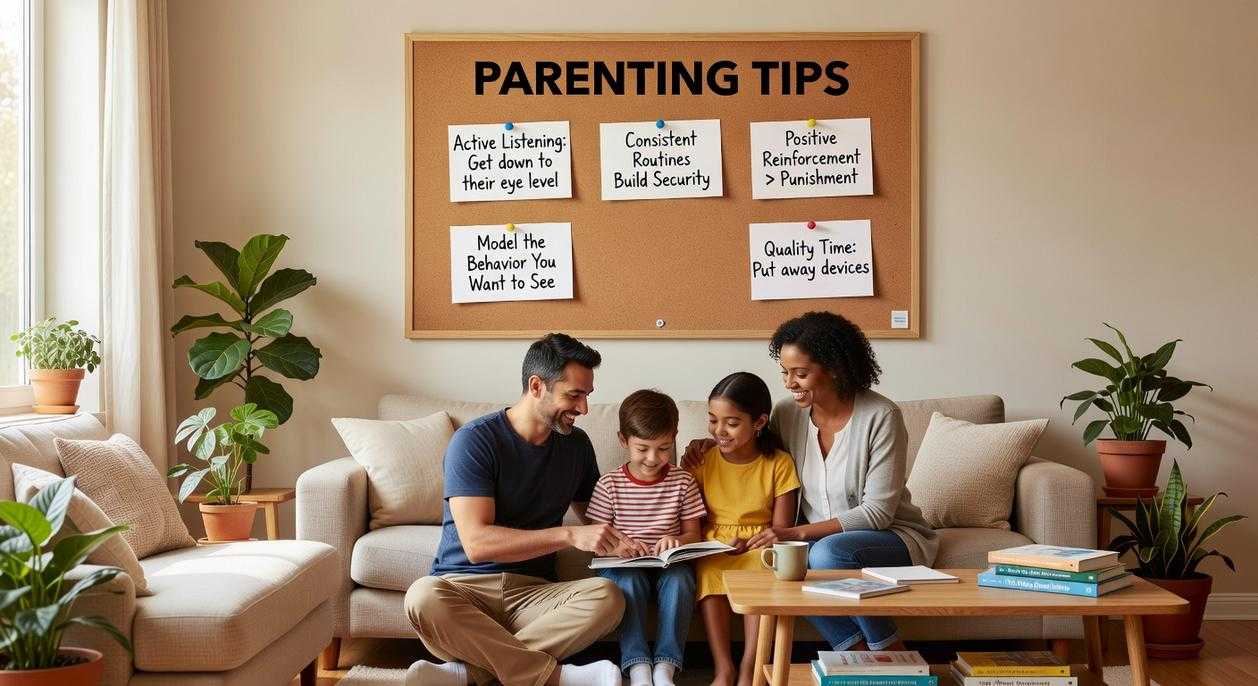
You just finished a great activity with your kid.
Maybe it was a science experiment. Maybe you built something together. Or tackled a new math concept.
And now what?
Most of us just move on to the next thing. Clean up the mess and call it done.
But I think we’re missing the best part.
The conversation that happens after is where real learning sticks. Not during the activity itself. After.
I know some parents say kids need to process things on their own. That asking too many questions ruins the experience. And sure, I get where they’re coming from. Nobody wants to turn every moment into a quiz. While some parents believe that letting kids explore games independently enhances their experience, utilizing resources like the Active Learn Parent Guide Fparentips can provide valuable insights without overwhelming them with constant questions.
But here’s my take.
When you skip the post-activity conversation, you’re leaving learning on the table. Kids might have fun in the moment but they don’t always connect what they did to what it means.
The trick is how you approach it.
I don’t interrogate my kids. I ask them what they noticed. What surprised them. What they’d do differently next time.
Sometimes the best insights come from playing lessons fparentips into these casual conversations. You’re not lecturing. You’re exploring together.
Here’s what works for me:
Start with open questions. “What was your favorite part?” beats “Did you learn about photosynthesis?” every time.
Listen more than you talk. (This is harder than it sounds.)
Let them lead where the conversation goes. If they want to talk about the mess they made instead of the concept you taught, that’s fine. They’re still processing.
Connect it to something they already know. “Remember when we saw that at the park?”
The goal isn’t to test them. It’s to help them think about their own thinking. I explore the practical side of this in Connection Advice Fparentips.
When you master this conversation, activities stop being one-off events. They become building blocks.
And your kid learns that reflection matters as much as doing.
Navigating Common Challenges with Confidence
Parenting isn’t supposed to feel this hard.
But some days you wonder if you’re doing anything right. Your kid struggles with homework and you’re not sure how to help. Or they melt down over something small and you feel completely lost.
Here’s what I want you to know.
Every parent hits these moments. The difference is knowing what to do when they happen.
When you understand common challenges before they show up, you can handle them without the panic. You’ll spot the warning signs early. You’ll know which battles matter and which ones don’t.
That means less stress for you and more confidence in your choices.
Take learning struggles for example. Most parents wait until report cards come home to realize something’s off. But if you know what to watch for, you can step in sooner. The active learn parent guide fparentips breaks down exactly how to support your child’s education at home. By leveraging the insights from the active learn parent guide and incorporating Entrepreneurial Tips Fparentips, parents can proactively enhance their child’s educational experience and address learning struggles before they escalate.
You’ll also save time. Instead of trying random solutions that might work, you’ll know what actually helps. No more guessing or second-guessing yourself.
And your relationship with your kid? It gets better too. When you’re not constantly reacting to problems, you can focus on connection instead.
Your Goal is to Raise a Happy Learner, Not a Pro
You now have a clear strategy for supporting your child before, during, and after their playing lessons fparentips.
I get it. You want your child to succeed and enjoy what they’re doing.
But here’s the thing: pressure kills passion faster than anything else. Your goal isn’t to create a prodigy. It’s to nurture a love for the activity itself.
Your consistent, low-pressure support matters more than any expensive equipment or extra practice sessions. That’s what keeps kids coming back week after week.
Here’s what I want you to do: Pick one tip from this guide. Just one. Try it at your child’s next lesson and watch what happens.
You’ll see their confidence grow when they feel supported instead of judged.
That’s how you build a happy learner. Entrepreneurial Tips Fparentips.
 Ask Selvian Velmyre how they got into family bonding ideas and you'll probably get a longer answer than you expected. The short version: Selvian started doing it, got genuinely hooked, and at some point realized they had accumulated enough hard-won knowledge that it would be a waste not to share it. So they started writing.
What makes Selvian worth reading is that they skips the obvious stuff. Nobody needs another surface-level take on Family Bonding Ideas, Support Resources for Parents, Parenting Tips and Advice. What readers actually want is the nuance — the part that only becomes clear after you've made a few mistakes and figured out why. That's the territory Selvian operates in. The writing is direct, occasionally blunt, and always built around what's actually true rather than what sounds good in an article. They has little patience for filler, which means they's pieces tend to be denser with real information than the average post on the same subject.
Selvian doesn't write to impress anyone. They writes because they has things to say that they genuinely thinks people should hear. That motivation — basic as it sounds — produces something noticeably different from content written for clicks or word count. Readers pick up on it. The comments on Selvian's work tend to reflect that.
Ask Selvian Velmyre how they got into family bonding ideas and you'll probably get a longer answer than you expected. The short version: Selvian started doing it, got genuinely hooked, and at some point realized they had accumulated enough hard-won knowledge that it would be a waste not to share it. So they started writing.
What makes Selvian worth reading is that they skips the obvious stuff. Nobody needs another surface-level take on Family Bonding Ideas, Support Resources for Parents, Parenting Tips and Advice. What readers actually want is the nuance — the part that only becomes clear after you've made a few mistakes and figured out why. That's the territory Selvian operates in. The writing is direct, occasionally blunt, and always built around what's actually true rather than what sounds good in an article. They has little patience for filler, which means they's pieces tend to be denser with real information than the average post on the same subject.
Selvian doesn't write to impress anyone. They writes because they has things to say that they genuinely thinks people should hear. That motivation — basic as it sounds — produces something noticeably different from content written for clicks or word count. Readers pick up on it. The comments on Selvian's work tend to reflect that.