
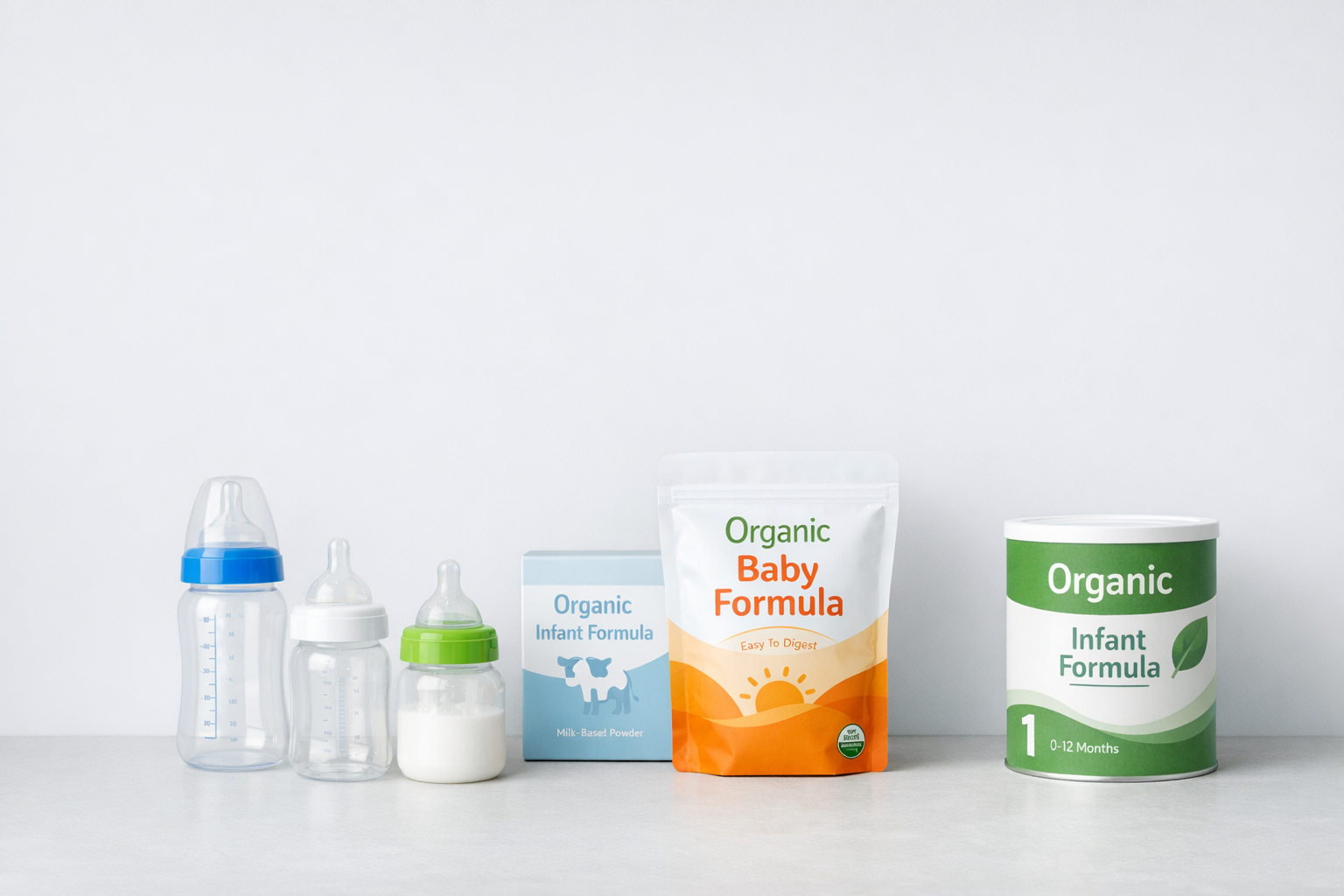
Selecting the appropriate feeding products for your baby is essential for ensuring optimal nutrition and convenience. With a wide array of options available, it can be overwhelming for parents to decide on the best products for their child. Understanding the importance of these choices helps parents make informed decisions that benefit both their baby and family.
The process of selecting appropriate feeding products for your infant can significantly impact your child’s nutrition and overall development. As you navigate through the various options, it’s essential to consider how these products align with your family’s lifestyle and needs. Baby feeding is not just about satisfying hunger; it’s also about providing the right nutrients during each stage of growth. By carefully choosing feeding products, you can ensure that your child receives the best possible start in life, supporting both health and family dynamics.
Recognizing different baby feeding needs at different stages
Understanding the diverse feeding needs at various stages of infancy is key to selecting suitable products. Newborns, for instance, primarily rely on milk, whether it’s breast milk or formula, as their main source of nutrition. As they grow, their dietary requirements evolve, necessitating changes in feeding approaches. Parents must adapt by choosing bottles or nipples that accommodate their baby’s developing skills and preferences. These decisions are crucial as they directly affect how well infants receive essential nutrients needed for healthy growth.
Feeding products play a pivotal role in meeting these changing needs by offering age-appropriate solutions. From specialized nipples that mimic breastfeeding to advanced formula options designed to address specific dietary requirements, each product serves a unique purpose. As infants transition from one stage to another, the choice of feeding equipment must evolve accordingly to support their developmental milestones. This ensures that babies receive the nourishment they need while also accommodating any special health considerations that may arise.
Exploring types of baby feeding products available
The market offers a wide variety of baby feeding products tailored to meet different needs and preferences. Bottles come in various sizes and shapes, equipped with nipples designed to control flow rates suitable for infants at distinct stages. There are also numerous formula options available, including those made from organic ingredients, providing parents with choices aligned with their values and dietary preferences. Selecting age-appropriate products is paramount to ensure safety and compatibility with your baby’s development.
When choosing feeding products, it’s important to consider items like organic baby formula if you’re looking for natural ingredients free from synthetic additives. The choice between glass and plastic bottles might depend on factors such as durability and ease of cleaning. Additionally, some parents opt for organic formula options to ensure their baby receives pure nutrition without exposure to potentially harmful chemicals. The diversity in available products allows parents to personalize their approach based on what’s best for their child.
Key factors when choosing feeding products
Several factors should be considered when selecting feeding products to ensure safety and suitability. Safety standards and certifications are critical indicators that a product meets established guidelines, providing peace of mind about its use with infants. Materials used in production should be scrutinized for potential allergens or toxins, prioritizing BPA-free plastics or food-grade silicone whenever possible. Ease of cleaning is another important aspect, as it can influence daily convenience for busy parents.
Compatibility with your baby’s feeding preferences is equally important when choosing items like nipples or bottles. Organic formula can also be a consideration if you’re aiming for more natural dietary choices for your infant. Consulting experts such as pediatricians or child nutritionists can provide valuable insights into product selection based on individual health needs or family priorities. Additionally, discussing organic baby formula options with professionals ensures you select the right nutritional balance for your baby. Ultimately, the goal is to find products that offer both functionality and assurance regarding your child’s well-being.
Advice on making informed product choices
Making informed decisions about baby feeding products involves thorough research and careful comparison of available options. Parents should take time to read product reviews and examine details about manufacturing processes or ingredient sourcing when applicable. Engaging with other parents through forums or support groups can provide firsthand insights into product effectiveness and usability.
Consulting healthcare professionals can further aid decision-making by offering tailored recommendations based on your baby’s health status or specific dietary requirements. Being proactive in seeking advice ensures you’re equipped with knowledge that supports sound choices benefiting your child’s health and development. Staying informed empowers you to select feeding products aligning perfectly with your family’s unique needs.
 Ask Selvian Velmyre how they got into family bonding ideas and you'll probably get a longer answer than you expected. The short version: Selvian started doing it, got genuinely hooked, and at some point realized they had accumulated enough hard-won knowledge that it would be a waste not to share it. So they started writing.
What makes Selvian worth reading is that they skips the obvious stuff. Nobody needs another surface-level take on Family Bonding Ideas, Support Resources for Parents, Parenting Tips and Advice. What readers actually want is the nuance — the part that only becomes clear after you've made a few mistakes and figured out why. That's the territory Selvian operates in. The writing is direct, occasionally blunt, and always built around what's actually true rather than what sounds good in an article. They has little patience for filler, which means they's pieces tend to be denser with real information than the average post on the same subject.
Selvian doesn't write to impress anyone. They writes because they has things to say that they genuinely thinks people should hear. That motivation — basic as it sounds — produces something noticeably different from content written for clicks or word count. Readers pick up on it. The comments on Selvian's work tend to reflect that.
Ask Selvian Velmyre how they got into family bonding ideas and you'll probably get a longer answer than you expected. The short version: Selvian started doing it, got genuinely hooked, and at some point realized they had accumulated enough hard-won knowledge that it would be a waste not to share it. So they started writing.
What makes Selvian worth reading is that they skips the obvious stuff. Nobody needs another surface-level take on Family Bonding Ideas, Support Resources for Parents, Parenting Tips and Advice. What readers actually want is the nuance — the part that only becomes clear after you've made a few mistakes and figured out why. That's the territory Selvian operates in. The writing is direct, occasionally blunt, and always built around what's actually true rather than what sounds good in an article. They has little patience for filler, which means they's pieces tend to be denser with real information than the average post on the same subject.
Selvian doesn't write to impress anyone. They writes because they has things to say that they genuinely thinks people should hear. That motivation — basic as it sounds — produces something noticeably different from content written for clicks or word count. Readers pick up on it. The comments on Selvian's work tend to reflect that.