
Emotional Readiness
School is more than just academics it’s a setting full of new routines, people, and expectations. Recognizing your child’s emotional readiness is one of the first important steps in preparing them for this next stage.
Signs to Watch For:
Separation Without Extreme Distress
Your child can say goodbye without prolonged tears or tantrums. Some hesitance is normal, but they generally show comfort knowing you’ll return soon.
Interest in Routines or Structure
Does your child mimic classroom routines during play (like sitting in a circle or “lining up”)? This shows growing comfort with predictable structure.
Ability to Follow Simple Instructions
Listening and following through on basic, two step directions like “Please hang your coat, then sit at the table” is a strong indicator of school readiness.
Managing Frustration Without Meltdowns
Occasional frustration is developmentally appropriate but if your child is learning to express their feelings, try again after failure, or seek help instead of shutting down completely, it reflects maturity in emotional coping.
Helping children grow in these areas isn’t about perfection it’s about progress. Look for patterns over time rather than isolated behaviors.
Social Confidence
For many children, school is the first place where they regularly interact with peers in a structured setting. Social confidence doesn’t mean being the loudest or most outgoing it’s about a child’s ability to manage themselves and connect with others in age appropriate ways.
Key Signs of Social Confidence
Plays in groups and shares the experience
Your child may start to enjoy basic group activities like building together, playing pretend, or passing around toys. Taking turns even with occasional reminders is a great sign of early cooperation.
Understands and shows empathy
Empathy at this age might look simple: saying sorry after bumping a friend, noticing when someone is sad and offering comfort, or sharing out of kindness. These actions show emotional awareness and social understanding.
Respects personal boundaries
School environments rely on kids grasping concepts like waiting their turn, not grabbing toys, and maintaining respectful physical space. A child who can pause when asked or hand back a shared item is on the right track.
Comfortable with known adults beyond family
A teacher isn’t a parent, but your child should be moderately comfortable around adults like caregivers, pediatricians, or extended family. Willingness to follow guidance from non family adults is an encouraging indicator.
Encouraging these behaviors at home through guided playdates, community classes, or reinforcing kind behavior can make the school transition smoother and less overwhelming.
Communication Milestones
As your child approaches school age, solid communication is one of the clearest signs they’re ready for the classroom. It’s not about speaking perfectly but about being understood and being able to understand others. Here are the key markers to look for:
Clear Basic Expression
Your child can share needs like hunger, thirst, or needing the bathroom.
They express simple emotions such as “I’m sad” or “I’m happy.”
They can make basic requests or ask for help.
Understanding and Responding
Responds appropriately to simple questions like, “What’s your name?” or “Where is your shoe?”
Follows basic prompts such as “Come here,” “Sit down,” or “Pick that up.”
Beginnings of Storytelling
Initiates pretend play or narrates what they’re doing during play.
Tells brief stories or explains personal experiences with simple sentences like, “We went to Grandma’s.”
Social Language Basics
Knows how to say hello, goodbye, please, and thank you.
Can ask for help from an adult or get another child’s attention.
Starts to understand conversational turn taking.
Want more strategies for building communication skills? Explore detailed tips on communication development
Self Reliance Skills
Think of this stage as basic independence enough for a child to function comfortably in a school setting without constant help. Using the bathroom solo is a major milestone. Teachers can support, but they can’t be there every second. If your kid knows when they need to go, gets there in time, and handles cleanup with minimal trouble, that’s a green flag.
Eating is another key area. Opening a snack pack or peeling a banana might seem simple, but in a busy lunchroom, these tasks matter. Kids who can manage their own meals feel more in control and less frustrated.
Clothing, too, tells you a lot. They don’t need to be fashion pros, but attempting to put on their own shoes or zip their coat shows logic, coordination, and follow through. These are the same skills they’ll draw from throughout the school day.
Finally, recognizing their own things a backpack, lunchbox, or favorite water bottle keeps your child grounded in the rush of transition and routine. It’s one part memory, one part ownership. You’ll know your kid’s getting there when they start calling dibs on their stuff without hesitation.
Early Learning Curiosity
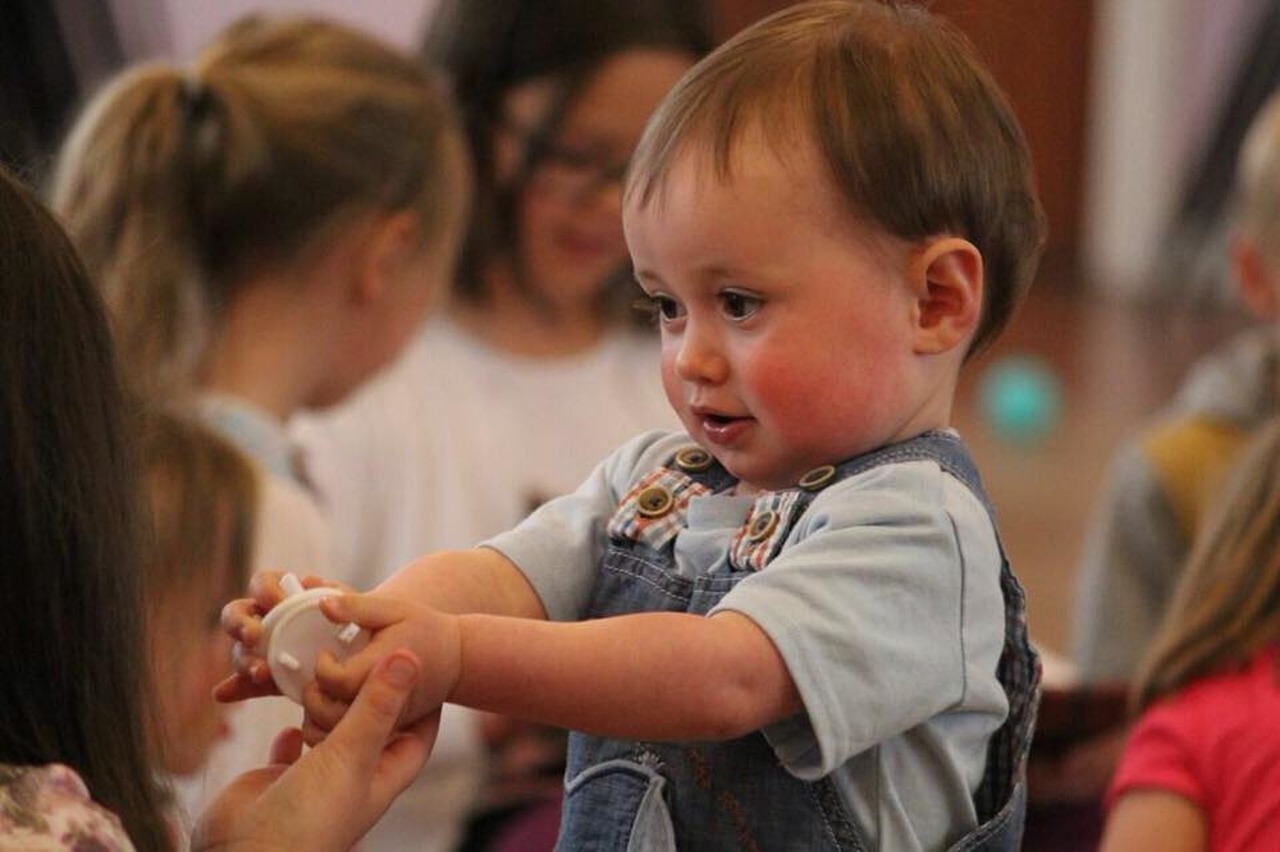
Before a child is ready to step confidently into a classroom, you’ll often see early sparks of learning curiosity. The signs aren’t flashy they’re subtle and steady. Your child might begin pointing out shapes on cereal boxes, identifying colors in a favorite shirt, or naming a few letters from their own name. These are foundational skills, not academic performance. Recognizing them means your child is beginning to make sense of the world in structured ways.
Books become companions, even if it’s just sitting and flipping pages or retelling a story from memory. They may not read yet, but their interest in stories says they’re learning how narratives work and enjoying the process.
You might also see drawing take off, not just as scribbles but in deliberate shapes a circle here, some repeating lines there. That’s early handwriting muscle memory in action. Paired with an understanding of simple routines lining up, waiting their turn, helping clean up these behaviors show that your child is connecting structure with learning, and fun with focus.
These little signals add up. They tell you your child isn’t just ready to learn they’re curious enough to keep going when it gets challenging.
How to Encourage School Ready Behaviors
Helping your child prepare for school doesn’t have to mean flashcards or rigid drills. It’s more about steady routines and meaningful interactions. Start with the basics: keep a consistent daily rhythm wake up to bedtime so your child knows what to expect. Predictability gives kids a sense of control, and that cuts down on stress.
Reading together is another daily must. It’s not about speed or fluency, but connection. Stories build vocabulary, attention, and a love for learning. Let your kid pick the book sometimes, even if it’s the same one every night. That repetition? It works.
Don’t underestimate the social side, either. Make room for playdates, storytimes, or even chatting with neighbors at the park. Kids learn turn taking, patience, and how to navigate little conflicts all building blocks for the classroom.
When big feelings show up, name them. If your child’s frustrated, say so: “You’re feeling mad because the block tower fell.” Then guide them toward a fix. That emotional modeling is practice for managing ups and downs with less drama.
Finally, speak and listen intentionally. Ask open ended questions and wait for real responses. Even basic conversations teach turn taking and expressive skills. For more ways to support your child’s language growth, check out this quick guide on communication development.
Final Check: Trust Your Gut
Every child grows and shows readiness at their own pace. While developmental milestones offer helpful benchmarks, they aren’t strict timelines. It’s important to recognize and respect your child’s unique journey.
Development Isn’t Always Linear
Children may show rapid progress in one area while taking more time in another
Emotional and social milestones can fluctuate based on external factors like mood, environment, or sleep
Temporary setbacks or regressions can be part of natural growth
When You’re Unsure, Reach Out
If you’re concerned or simply curious:
Talk to your child’s future teacher or early education staff they’ve seen a wide range of developmental paths
Schedule a check in with a pediatrician or developmental specialist for a professional opinion
Keep notes on what you observe this can help guide more informed conversations
Trust Your Parental Instincts
Ultimately, no checklist replaces a parent’s intuition. You know your child best. Trust yourself, stay patient, and seek support when needed.
School readiness is a journey, not a race. Your belief in your child’s potential is one of the most powerful school prep tools they have.
 There is a specific skill involved in explaining something clearly — one that is completely separate from actually knowing the subject. Fernando Shraderace has both. They has spent years working with child development insights in a hands-on capacity, and an equal amount of time figuring out how to translate that experience into writing that people with different backgrounds can actually absorb and use.
Fernando tends to approach complex subjects — Child Development Insights, Parenting Tips and Advice, Family Bonding Ideas being good examples — by starting with what the reader already knows, then building outward from there rather than dropping them in the deep end. It sounds like a small thing. In practice it makes a significant difference in whether someone finishes the article or abandons it halfway through. They is also good at knowing when to stop — a surprisingly underrated skill. Some writers bury useful information under so many caveats and qualifications that the point disappears. Fernando knows where the point is and gets there without too many detours.
The practical effect of all this is that people who read Fernando's work tend to come away actually capable of doing something with it. Not just vaguely informed — actually capable. For a writer working in child development insights, that is probably the best possible outcome, and it's the standard Fernando holds they's own work to.
There is a specific skill involved in explaining something clearly — one that is completely separate from actually knowing the subject. Fernando Shraderace has both. They has spent years working with child development insights in a hands-on capacity, and an equal amount of time figuring out how to translate that experience into writing that people with different backgrounds can actually absorb and use.
Fernando tends to approach complex subjects — Child Development Insights, Parenting Tips and Advice, Family Bonding Ideas being good examples — by starting with what the reader already knows, then building outward from there rather than dropping them in the deep end. It sounds like a small thing. In practice it makes a significant difference in whether someone finishes the article or abandons it halfway through. They is also good at knowing when to stop — a surprisingly underrated skill. Some writers bury useful information under so many caveats and qualifications that the point disappears. Fernando knows where the point is and gets there without too many detours.
The practical effect of all this is that people who read Fernando's work tend to come away actually capable of doing something with it. Not just vaguely informed — actually capable. For a writer working in child development insights, that is probably the best possible outcome, and it's the standard Fernando holds they's own work to.