
Build a DIY Science Lab
You don’t need a fancy setup or lab coat to make science fun at home. A few kitchen staples and a curious mind can go a long way. Vinegar and baking soda? You’ve got a chemical reaction. A plastic bottle, some oil, and water? That’s your density tower. Crayons, magnets, and paper clips? Magnetism in action. These simple activities teach complex ideas in a way that sticks.
Kids learn more when they can touch, pour, shake, and see results happen in real time. Try layering liquids to explore why some float and others sink, or build a DIY lava lamp and talk through the science behind it. No pressure for perfection, just space to test, observe, and ask questions.
This kind of hands on learning builds more than knowledge it builds confidence. And bonus: it keeps everyone off screens for a while. It’s science class, no permission slip required.
Turn the Living Room into a Geography Adventure
Rain may be falling outside, but inside, the world’s wide open. Start with a globe, a world map, or a free online tool like Google Earth. Let kids spin, zoom, and explore make them the navigator. Then turn exploration into a game. Create a scavenger hunt with clues that lead to places like “the country with a maple leaf on its flag” or “the city where the Eiffel Tower lives.”
Tie in landmarks, flags, even local food. Bonus points for finding the capital, naming a language spoken there, or tracing the route from your hometown. The goal isn’t just memorization it’s sparking that wide eyed curiosity that drives real learning. You’re planting the seed of global thinking without anyone even stepping outside.
Roleplay History Time
Learning history doesn’t have to happen at a desk. Choose a moment from the past a famous speech, a historic trial, or a dramatic turning point and bring it to life. Think Julius Caesar on the Ides of March, Harriet Tubman guiding the Underground Railroad, or Neil Armstrong stepping onto the moon. Let kids help pick the event, then dive into costumes, quick research, and homemade scripts. Keep it tight no need for full Shakespearian drama. Record the scene on a phone or tablet and play it back for review (or just a good laugh).
This kind of play cements memory. Speaking lines, moving through scenes, and embodying characters helps kids absorb details that would otherwise slip through the cracks of a textbook. It sticks because they lived it even for a few minutes.
Cook with a STEM Twist
Cooking isn’t just a life skill it’s a hands on lab waiting to happen. Grab a recipe, pull out the measuring cups, and suddenly you’ve got practical math in action. Fractions make more sense when you’re doubling cookie dough or halving a pancake recipe. Time becomes less abstract when you’re setting timers and pacing prep.
It’s not just math, either. Science shows up the moment the oven turns on. Bread rises. Cheese melts. Eggs go from runny to solid. These are real world examples of how heat transforms matter solid to liquid, chemical reactions, physical changes. You don’t need to lecture it. Let the food do the talking.
And the best part? Built in motivation. The experiment ends in snacks. Kids learn without even knowing it, and everyone gets a cookie. That’s a win win in any weather.
Host a Home Art Show
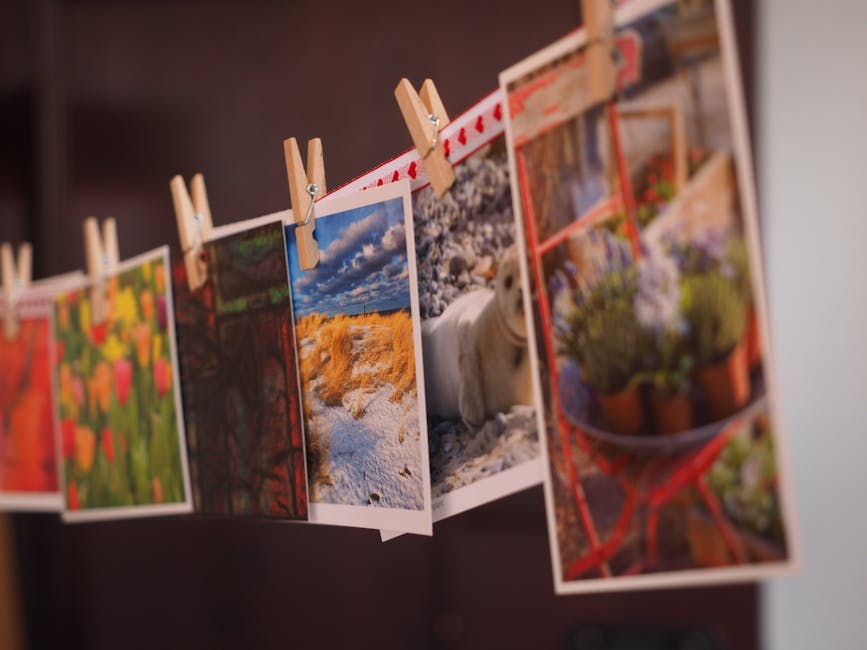
Rainy days are the perfect opportunity to tap into your child’s imagination and creative spark. Hosting an art show at home doesn’t require expensive materials just a bit of structure and a goal.
Set the Stage
Provide clear guidelines to help focus creativity:
Choose a Theme: Nature, dreams, outer space, emotions pick something that inspires exploration.
Select a Medium: Painting, drawing, sculpture, collage, or mixed media.
Set a Deadline: This encourages time management and adds excitement to the project.
Present and Reflect
Add a performance element to celebrate your child’s work:
Have them present their artwork to the family.
Let them explain what inspired them, the process they used, and what they discovered.
Ask gentle questions to promote reflection and deeper thinking.
Build Lasting Skills
Beyond fun and creativity, a home art show helps:
Improve communication and public speaking
Boost confidence in sharing personal work
Encourage critical thinking and self expression
Create a space where kids feel proud of their creations and learn to articulate their ideas in meaningful ways.
Create a Reading Bingo Challenge
Rainy days are the perfect opportunity to turn reading into an exciting game. A Reading Bingo Challenge gets kids exploring new genres, practicing goal setting, and building reading habits all while having fun.
Step 1: Build the Bingo Card
Design a customized bingo card filled with reading prompts such as:
Read a mystery book
Choose a book set in another country
Read a story by a new author
Pick a non fiction book about animals
Try a graphic novel or comic strip
You can use printable bingo templates or design one from scratch using paper or online tools.
Step 2: Add a Reward System
Motivate kids with small prizes every time they complete a row, column, or full card:
Stickers, bookmarks, or extra screen time
A new book of their choice
A movie night based on a book they read
These incentives not only spark motivation but reinforce the joy of reading.
Step 3: Make it Social
Add a collaborative or competitive twist depending on your child’s preference:
Collaborative: Work as a team to complete the card and discuss the books together
Competitive: Family members or siblings each get a card first to complete a row wins
This interactive element adds energy and keeps kids invested, even when the weather keeps them indoors.
Design and Build a LEGO City
Transform a rainy day into a hands on engineering adventure by building a miniature LEGO city. This activity isn’t just fun it also introduces critical thinking, planning, and real world problem solving skills.
Build with a Purpose
Instead of free styling random structures, give kids a goal. You might assign them a particular theme or challenge:
Recreate a real world city
Design a sustainable community
Include essential facilities like schools, parks, airports, or public transport
This provides structure while still encouraging imagination.
Learning Concepts Through Play
While kids are stacking bricks, they’re engaging with bigger ideas:
Urban Planning: Decide where roads, homes, and businesses belong
Architecture: Explore shapes, stability, and design styles
Sustainability: Add green spaces, recycling centers, or solar panel designs
Encourage children to explain their design decisions, helping them develop storytelling and presentation skills, too.
Extend the Experience
Take the activity even further:
Create roles (mayor, architect, builder) and assign responsibilities
Write a short “tour” script and walk family members through the city
Use additional materials like cardboard, paper, or toy vehicles to add dimension
Looking for more ways to blend fun and education? Check out this article on learning at home.
DIY Indoor Obstacle Course… with a Twist
This isn’t just about jumping over pillows or army crawling under the coffee table. Add a brain teaser or small challenge to each station solve a riddle before hopping to the next chair, crack a math puzzle after balancing on one foot, or unscramble a word before sprinting to the finish. You get the idea.
By mixing physical activity with mental tasks, kids stay fully engaged. It’s sneaky learning at its best ideal for kinetic learners who need to move to stay focused. The best part? You can tailor the difficulty depending on age or subject. It’s flexible, active, and surprisingly fun for adults too.
Launch a Family Podcast
All it takes to start is a quiet room, a phone, and a topic. Science facts, family stories, or even short interviews let the kids choose what excites them. Starting small is fine. The real goal is to go through the process: scripting a segment, understanding how voice can be used to hold interest, and editing audio just enough to clean it up.
Kids learn fast when they’re building something real. Through podcasting, they pick up soft skills like planning, timing, and communicating ideas clearly. At the same time, they’re dipping into more technical waters: basic editing, file management, and maybe even uploading to a private channel. It’s creative. It’s gritty. And it gets the whole household thinking and building together.
Start a Home Based “Museum Day”
This isn’t just a craft project it’s a full on learning experience with structure, creativity, and research baked in. Each family member picks a topic they’re curious about whether it’s ancient Egypt, how volcanoes form, or why penguins don’t fly. Over the next couple of days (or hours, depending on attention spans), everyone builds a mini exhibit. This could be a poster, a diorama, a short video, or even a live demonstration.
The key is sharing. Set a time, line up the projects, and turn your kitchen or living room into a makeshift museum. Each person gets a few minutes to present their findings and show off their “exhibit.” The rest of the family listens, asks questions, and learns something new.
It’s low tech, high skill. Kids practice research, public speaking, and organizing ideas. Parents can join the fun or just help facilitate. Either way, it’s a creative way to transform a rainy day into a brain boosting showcase.
Explore more techniques for learning at home