
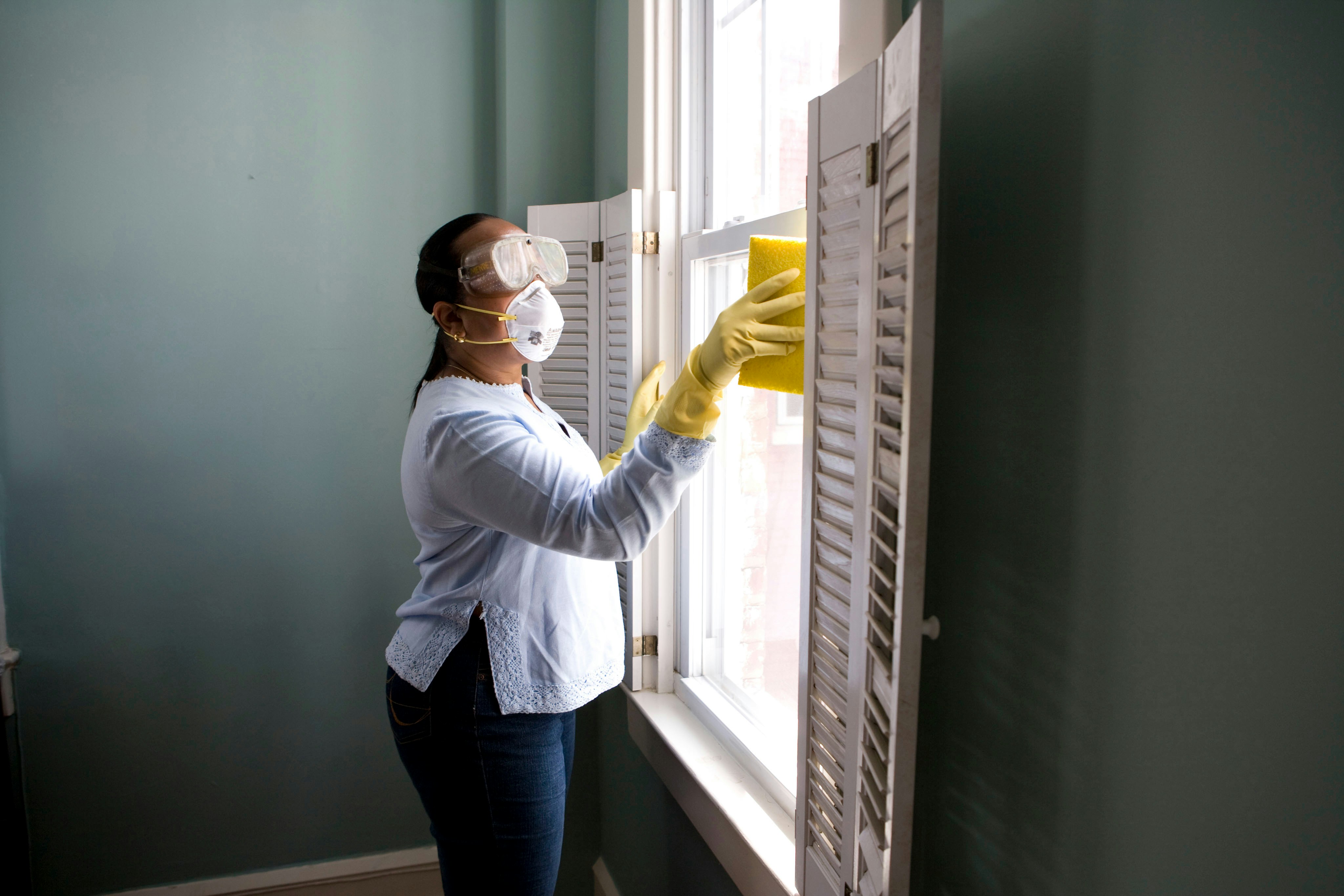
A clean home does not happen by accident. While daily habits certainly matter, the way your home is designed can make cleaning much easier or much more difficult. Thoughtful design choices help reduce clutter, simplify maintenance, and make everyday chores take far less time.
Creating an easy to clean home does not mean sacrificing comfort or style. In fact, many of the best design decisions improve both the appearance and functionality of your space. Whether you are moving into a new home, renovating a room, or simply making small updates, choosing features that are easier to maintain can save countless hours over the years.
If you are looking for practical ways to simplify home maintenance, Every Mom’s thoughts on Homeaglow provide helpful insight into how professional cleaning services can support busy households and make it easier to keep your home looking its best.
Start With Less Clutter
One of the simplest ways to create an easier to clean home is by reducing the number of unnecessary items you own. Every decorative object, stack of papers, or extra piece of furniture creates another surface that collects dust or another obstacle you have to clean around.
Focus on keeping the items that truly add value to your home while finding appropriate storage for everything else. Open spaces not only make rooms feel larger, but they also allow you to vacuum, dust, and wipe surfaces much more quickly.
A thoughtfully organized room almost always feels cleaner, even before you begin cleaning.
Choose Flooring That Is Easy to Maintain
Flooring has a significant impact on your cleaning routine. Some materials require regular special care, while others can be cleaned quickly with routine sweeping and mopping.
When selecting flooring, consider how it fits your lifestyle. Families with children or pets often appreciate durable surfaces that are simple to maintain and resistant to everyday wear. Choosing practical flooring can dramatically reduce the amount of time spent cleaning each week.
Area rugs can still provide warmth and comfort while being easier to clean or replace than wall to wall carpeting.
Use Storage That Hides Everyday Items
Visible clutter makes even a clean room feel messy. One of the best design strategies is incorporating storage that keeps frequently used items out of sight without making them difficult to access.
Furniture with built in storage, cabinets with adjustable shelves, storage benches, and baskets can all help organize everyday belongings. When everything has a designated place, cleaning becomes much easier because there is less clutter to move before wiping surfaces or vacuuming floors.
Hidden storage also helps rooms maintain a more peaceful appearance.
Select Furniture That Is Easy to Clean
Furniture design affects more than comfort. It also influences how easily you can clean your home.
Pieces with simple lines, durable materials, and enough clearance underneath to allow vacuuming make routine maintenance much easier. Upholstery that can be wiped clean or features removable covers is often more practical for busy households.
Choosing furniture that balances style with functionality helps keep your home looking its best over time.
Create Open Walking Paths
Rooms filled with tightly packed furniture require more effort to clean because moving around them becomes difficult.
Leaving clear walking paths between furniture allows you to vacuum, sweep, and mop more efficiently. Open layouts also create a more spacious feeling while reducing the number of hard to reach corners where dust tends to accumulate.
Even small adjustments to furniture placement can improve both the appearance and practicality of a room.
Keep Frequently Used Areas Simple
Some rooms naturally experience more daily activity than others. Kitchens, bathrooms, entryways, and family rooms benefit from designs that prioritize function as much as appearance.
Choose surfaces that wipe clean easily, provide convenient storage for everyday items, and avoid overcrowding these spaces with unnecessary decorations. Keeping busy areas simple makes it much easier to stay on top of routine cleaning.
Functional design supports consistent maintenance.
Make Cleaning Supplies Easy to Access
A home designed for easy cleaning should also make cleaning supplies convenient to reach.
Store frequently used products in the rooms where they are needed most. Keep bathroom cleaners in bathroom cabinets, kitchen supplies under the sink, and microfiber cloths within easy reach.
When supplies are available immediately, small messes are more likely to be cleaned before they become larger problems.
Use Durable Finishes
Some materials require constant maintenance to keep them looking their best, while others are much more forgiving.
Choosing durable countertops, washable paint finishes, stain resistant fabrics, and easy care surfaces helps reduce long term maintenance without sacrificing appearance.
Practical materials allow your home to continue looking attractive even with everyday use.
Design Around Daily Habits
The easiest homes to maintain are designed around the way people actually live.
If shoes always collect near the front door, create a dedicated storage area there. If backpacks usually end up on the kitchen counter, add hooks or cubbies nearby. When your home’s organization matches your daily habits, staying tidy becomes much easier.
Instead of constantly fighting clutter, you create systems that naturally keep your home organized.
Let Natural Light Work for You
Natural light makes every room feel brighter and more welcoming. It also helps you notice dust, fingerprints, and areas that need attention before they become major cleaning projects.
Keeping windows clear and arranging furniture to maximize sunlight improves both your home’s appearance and your ability to maintain it.
Bright spaces also create the impression of greater cleanliness.
Build Daily Habits Into Your Design
Even the most thoughtfully designed home still benefits from consistent routines.
Making beds, putting belongings away after use, wiping kitchen counters after meals, and spending a few minutes tidying common areas every evening all work together with your home’s design to reduce future cleaning.
The goal is to create an environment where maintaining cleanliness feels natural instead of overwhelming.
Final Thoughts
Creating a home that is easier to clean begins long before you pick up a vacuum or microfiber cloth. Smart design choices such as reducing clutter, selecting practical materials, improving storage, and organizing around your daily routines can dramatically reduce the amount of time and effort required to maintain your living space.
A well designed home supports the way you live while making cleaning simpler, faster, and less stressful. By combining thoughtful design with consistent daily habits, you can enjoy a home that stays beautiful, functional, and welcoming throughout the year.
 There is a specific skill involved in explaining something clearly — one that is completely separate from actually knowing the subject. Fernando Shraderace has both. They has spent years working with child development insights in a hands-on capacity, and an equal amount of time figuring out how to translate that experience into writing that people with different backgrounds can actually absorb and use.
Fernando tends to approach complex subjects — Child Development Insights, Parenting Tips and Advice, Family Bonding Ideas being good examples — by starting with what the reader already knows, then building outward from there rather than dropping them in the deep end. It sounds like a small thing. In practice it makes a significant difference in whether someone finishes the article or abandons it halfway through. They is also good at knowing when to stop — a surprisingly underrated skill. Some writers bury useful information under so many caveats and qualifications that the point disappears. Fernando knows where the point is and gets there without too many detours.
The practical effect of all this is that people who read Fernando's work tend to come away actually capable of doing something with it. Not just vaguely informed — actually capable. For a writer working in child development insights, that is probably the best possible outcome, and it's the standard Fernando holds they's own work to.
There is a specific skill involved in explaining something clearly — one that is completely separate from actually knowing the subject. Fernando Shraderace has both. They has spent years working with child development insights in a hands-on capacity, and an equal amount of time figuring out how to translate that experience into writing that people with different backgrounds can actually absorb and use.
Fernando tends to approach complex subjects — Child Development Insights, Parenting Tips and Advice, Family Bonding Ideas being good examples — by starting with what the reader already knows, then building outward from there rather than dropping them in the deep end. It sounds like a small thing. In practice it makes a significant difference in whether someone finishes the article or abandons it halfway through. They is also good at knowing when to stop — a surprisingly underrated skill. Some writers bury useful information under so many caveats and qualifications that the point disappears. Fernando knows where the point is and gets there without too many detours.
The practical effect of all this is that people who read Fernando's work tend to come away actually capable of doing something with it. Not just vaguely informed — actually capable. For a writer working in child development insights, that is probably the best possible outcome, and it's the standard Fernando holds they's own work to.