
Why Hands On Science Matters
Watching a video or reading a fun fact is fine but doing science? That’s where the real learning happens. When kids mix, build, or test something with their own hands, the concepts stick. They’re not just observers; they become active participants. That shift builds true understanding in a way passive learning can’t touch.
More importantly, hands on experiments spark curiosity. Kids start asking “what if?” and “why not?” which is exactly the mindset science thrives on. They build up confidence, too. When a preschooler watches baking soda fizz, or a preteen wires a lightbulb and makes it glow, they feel it: they made something happen. That sense of control and discovery lays the groundwork for critical thinking.
And it works for all ages. Little learners get sensory feedback colors, textures, sounds. Older kids get to problem solve and tinker. The tools change, but the impact doesn’t. If a child can touch it, change it, and question it, they’re learning on a deeper level. Always.
Easy Experiments for Little Learners (Ages 3 6)
Introduce young kids to the wonders of science with simple, safe activities that feel more like magic than learning. These hands on experiments are designed to spark curiosity while reinforcing basic scientific concepts.
Fizzy Volcano: Baking Soda + Vinegar
A timeless favorite, this experiment lets kids witness a chemical reaction in real time.
What You Need:
Baking soda
Vinegar
Small cup or bowl
Food coloring (optional)
What to Do:
- Place baking soda in a container.
- Add a few drops of food coloring for extra visual fun.
- Pour vinegar slowly over the baking soda.
What It Teaches:
Acid base reactions
Cause and effect
Swirling Colors: Milk, Soap & Food Dye
Marvel at color explosions while introducing surface tension.
What You Need:
Whole milk
Food coloring
Dish soap
Shallow dish or plate
What to Do:
- Pour milk into the dish.
- Add drops of different food coloring.
- Dab soap onto a cotton swab and touch it to the milk.
What It Teaches:
How soap breaks surface tension
Color mixing and fluid dynamics
Magnet Treasure Hunt
Turn your home or backyard into a lab to explore unseen forces.
What You Need:
A strong magnet
Variety of small items (paper clips, coins, buttons, etc.)
Non metal container or tray
What to Do:
- Hide metal and non metal objects in a box or bin.
- Let kids use the magnet to ‘find the treasure.’
What It Teaches:
Magnetic properties
Observation and comparison skills
These experiments are quick to set up, fun to repeat, and ideal for introducing science vocabulary and wonder one colorful, fizzy, or magnetic moment at a time.
Fun & Educational for Kids Ages 7 10
At this age, kids are ready to take on more in depth experiments that combine fun with foundational science concepts. These hands on activities spark curiosity while encouraging observation and problem solving.
Make a Homemade Lava Lamp
Create a bubbling, colorful motion lamp with just a few simple ingredients. This eye catching experiment introduces kids to the properties of liquids and chemical reactions.
What You’ll Need:
A clear bottle or glass
Water
Vegetable oil
Food coloring
Alka Seltzer tablets or similar
How To:
Fill the container ¾ full with oil.
Add water until it’s nearly full (watch how the water sinks).
Drop in a few drops of food coloring it will mix with the water.
Break an Alka Seltzer tablet into pieces and add one piece at a time. Watch the bubbles rise!
What It Teaches:
Liquid density
Polarity and solubility
Gas production from chemical reactions
Grow Your Own Crystals
This experiment feels like magic but it’s all about dissolving and recrystallizing! Using household items, kids can see crystal formations develop right in front of their eyes.
What You’ll Need:
Borax (or sugar/salt as alternatives)
Water
A jar or glass
String and a pencil or stick
Optional: food coloring for tinted crystals
How To:
Boil water and stir in borax until it no longer dissolves (saturated solution).
Tie a string to a pencil and hang it in the jar so the string dangles without touching the sides.
Pour the solution into the jar. Let it sit undisturbed overnight.
Observe crystal growth on the string the next day!
What It Teaches:
Solubility and saturation
Crystallization processes
Nucleation and molecular structure
Shadow Chase: Learning with Light
This simple activity helps kids understand how light and shadow behave throughout the day.
What You’ll Need:
A sunny space (outdoors or by a large window)
A favorite toy or object
Chalk or paper and pencils
How To:
Place the toy in a sunny spot.
At various times during the day, trace or mark the shadow’s shape and position.
Compare how the shadow moves and changes size.
What It Teaches:
Solar movement and time perception
Basics of light behavior and angles
Observation and documentation skills
For Tweens & Independent Explorers (Ages 11+)
Science gets more hands on here, with experiments that teach real world engineering and physics in a way kids can actually feel.
1. Build a Simple Circuit
Grab a battery, some aluminum foil, and a small light bulb. Lay out two strips of foil to act as wires. Attach one end of each foil strip to the positive and negative terminals of the battery. Then touch the other ends to the bulb’s base. When the current flows, the bulb lights up. It’s a basic circuit no fancy tools, just electricity in action. Help them try different arrangements to see what works and what doesn’t.
2. Test the Power of Insulation
Take three jars and fill them each with ice. Wrap one in foil, one in a towel, and leave the third plain. Check which one keeps the ice longer. Ask why the materials mattered. The key lesson: insulation slows down heat transfer. It’s a simple experiment with easy tweaks that show real differences.
3. DIY Water Filter
Layer a plastic bottle with cotton balls or coffee filters at the bottom, followed by sand, charcoal, and gravel. Pour dirty water through it and watch it come out clearer. This introduces water filtration concepts and basic environmental engineering. Talk about real world uses in global water issues.
These experiments don’t just teach facts they build problem solving habits. Let kids take the lead, troubleshoot, and see where their curiosity goes.
Mix Learning with Play
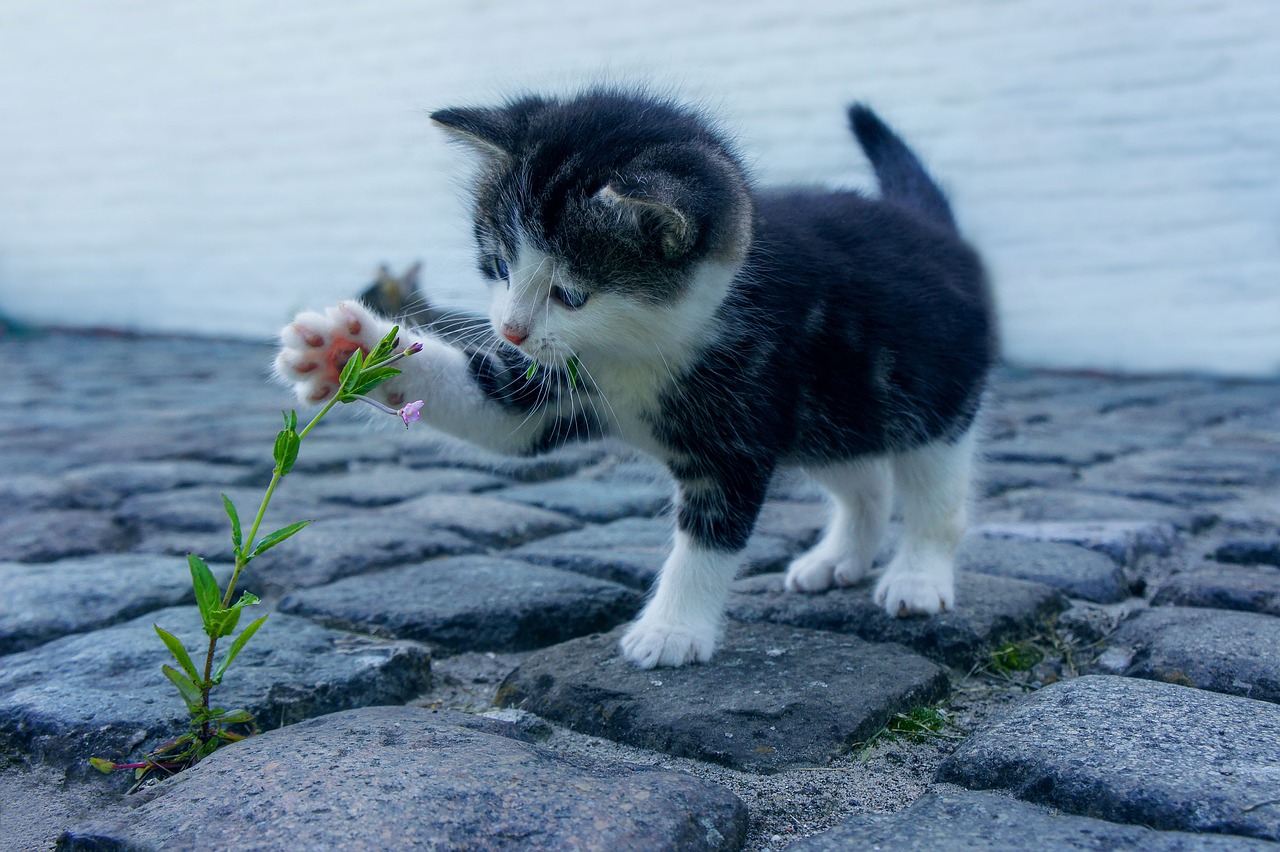
You don’t need a lab coat or a fancy kit to get kids into science. Start with what’s around the house paper clips, baking soda, food coloring, plastic bottles. Everyday stuff becomes way more interesting when curiosity takes over.
The key? Let kids take the wheel. Ask “what if” questions, roll with their odd ideas, and don’t worry if the first try flops. Re doing the experiment is part of the learning. It’s not about having the perfect answer it’s about figuring things out.
Turn regular routines into science labs. Mix pancake batter with different ingredients and see what rises more. Race toy cars down ramps of different surfaces. Make a hypothesis, test it, tweak it.
For a fresh batch of ideas that keep discovery fun and challenging, check out these games for science fun.
Keep Curiosity Growing
Science isn’t just about doing experiments it’s about noticing what happens and wondering why. A basic science journal can make a big difference. Grab a notebook or a stack of paper clipped together. Let kids draw what they see, jot down questions, or record what they think might happen before and after each activity. Doesn’t have to be neat. Just real.
Not everything will work perfectly and that’s good. Talk about why something failed or didn’t go as expected. That’s science too. Failure doesn’t mean the end; it means you’re getting somewhere worth going.
To keep things fresh, rotate topics. Try physics this week: ramps, pulleys, friction. Next week, switch to biology: leaves, bugs, digestion. Keep exploring. Patterns will emerge over time, and so will deeper understanding.
And when things get dull or the weather turns nasty remember you can always turn learning into play. Lean into games for science fun to keep minds moving and curiosity alive.
Pro Tip: Make it Regular
Consistency makes science stick. Set aside one time each week for “Lab Time” nothing fancy, just protected space for curiosity. A kitchen table, a sink, a backyard anywhere can be your lab. The focus isn’t on getting every experiment “right,” it’s about creating a habit of exploring the unknown together.
Here’s the twist that changes everything: welcome questions you can’t answer. Instead of pretending to know, model what real discovery looks like. Grab a book, look it up together, or test a theory the messy way. When kids see that even adults have to dig for answers, you’re teaching them how to think, not just what to think.
The goal isn’t memorization. It’s exploration. That’s how young scientists are made not through perfect facts, but with open minds and rolled up sleeves.
 There is a specific skill involved in explaining something clearly — one that is completely separate from actually knowing the subject. Fernando Shraderace has both. They has spent years working with child development insights in a hands-on capacity, and an equal amount of time figuring out how to translate that experience into writing that people with different backgrounds can actually absorb and use.
Fernando tends to approach complex subjects — Child Development Insights, Parenting Tips and Advice, Family Bonding Ideas being good examples — by starting with what the reader already knows, then building outward from there rather than dropping them in the deep end. It sounds like a small thing. In practice it makes a significant difference in whether someone finishes the article or abandons it halfway through. They is also good at knowing when to stop — a surprisingly underrated skill. Some writers bury useful information under so many caveats and qualifications that the point disappears. Fernando knows where the point is and gets there without too many detours.
The practical effect of all this is that people who read Fernando's work tend to come away actually capable of doing something with it. Not just vaguely informed — actually capable. For a writer working in child development insights, that is probably the best possible outcome, and it's the standard Fernando holds they's own work to.
There is a specific skill involved in explaining something clearly — one that is completely separate from actually knowing the subject. Fernando Shraderace has both. They has spent years working with child development insights in a hands-on capacity, and an equal amount of time figuring out how to translate that experience into writing that people with different backgrounds can actually absorb and use.
Fernando tends to approach complex subjects — Child Development Insights, Parenting Tips and Advice, Family Bonding Ideas being good examples — by starting with what the reader already knows, then building outward from there rather than dropping them in the deep end. It sounds like a small thing. In practice it makes a significant difference in whether someone finishes the article or abandons it halfway through. They is also good at knowing when to stop — a surprisingly underrated skill. Some writers bury useful information under so many caveats and qualifications that the point disappears. Fernando knows where the point is and gets there without too many detours.
The practical effect of all this is that people who read Fernando's work tend to come away actually capable of doing something with it. Not just vaguely informed — actually capable. For a writer working in child development insights, that is probably the best possible outcome, and it's the standard Fernando holds they's own work to.